Over time, they collect dust, allergens and household pollutants that can affect both their condition and your indoor environment. A professional curtain cleaning service offers several important benefits.
Curtains act like filters, trapping airborne dust, pollen and other allergens. Each time they are moved, these particles can be released back into the air. This can contribute to poor indoor air quality, particularly for households with allergies or respiratory sensitivities.
Professional cleaning removes this built-up contamination, helping to create a cleaner and healthier living environment.
Even when curtains look clean, they can hold hidden dirt deep within the fabric. Cooking fumes, pet odours and general household smells are easily absorbed and can linger for long periods.
A professional curtain cleaning service targets these trapped odours safely and effectively, leaving curtains fresher without masking smells with fragrances.
Many curtains are made from delicate or specialist fabrics that do not respond well to DIY cleaning. Incorrect washing, excessive moisture or unsuitable products can cause shrinkage, colour bleeding or distortion.
Professional cleaners assess the fabric type, lining and construction before cleaning. This reduces the risk of damage and ensures the most appropriate method is used.
Dust and grit can gradually wear curtain fibres, leading to dullness and premature ageing. Sunlight can also weaken fabric over time, making it more vulnerable to damage during cleaning.
Regular professional cleaning helps preserve colour, texture and drape. This keeps curtains looking better for longer and delays the need for replacement.
Cleaning curtains at home can be time-consuming and physically demanding. Removing them, attempting to clean them safely and rehanging them correctly all carry risks, including damage to fittings or fabric.
A professional service handles the process with care and efficiency. This reduces inconvenience and avoids the potential for costly mistakes.
Many curtains include linings or interlinings that respond differently to moisture and cleaning. Treating these incorrectly can lead to uneven shrinkage or puckering.
Trained cleaners understand how different layers behave and take this into account during cleaning. This level of assessment is difficult to achieve with home methods.
Household cleaning attempts often involve excessive water, strong detergents or unsuitable techniques. These can cause irreversible damage, including watermarking, fibre weakening or colour loss.
Professional cleaning focuses on controlled processes designed to protect the fabric while achieving effective results. This makes it a safer option, especially for valuable or bespoke curtains.
Curtain cleaning is particularly beneficial in homes with pets, smokers or allergy sufferers. It is also recommended when curtains appear dull, smell musty or have not been cleaned for a long time.
If you are unsure how your curtains should be cleaned, professional advice helps prevent damage and ensures the right approach is taken from the start.
Curtains are a significant investment and deserve careful handling. Members of the National Carpet Cleaners Association are trained, insured and work to a recognised Code of Practice. This provides reassurance that your furnishings are treated with care and professionalism.
If your curtains need attention, you can find a trained, insured NCCA cleaner using the association’s directory. Professional cleaning helps protect your curtains, your home and your indoor environment.
Understanding the basic do’s and don’ts helps protect your carpet and avoid costly mistakes.
Wool behaves differently from synthetic fibres. It absorbs moisture easily, reacts to heat and can be damaged by unsuitable cleaning products. Once wool fibres are harmed through shrinkage, colour loss or distortion, the damage is often irreversible. This is why care and restraint are essential when cleaning.
Frequent vacuuming is the safest and most effective way to maintain a wool carpet. It removes dry soil that would otherwise grind into the fibres and cause wear.
Use a vacuum designed for carpets, with adjustable suction if possible. Gentle, regular vacuuming is far better than aggressive or infrequent cleaning. Take extra care with loop pile wool carpets, which can be damaged by rotating brushes.
Excess moisture is one of the most common causes of wool carpet damage. Wool readily absorbs water, and over-wetting can lead to shrinkage, rippling, long drying times and unpleasant odours.
Household carpet cleaning machines can easily apply too much water, especially when used without proper knowledge. Avoid soaking the carpet and never pour water directly onto it.
Spills should be attended to as soon as they happen. Blot gently using clean, absorbent material to prevent the liquid spreading further into the fibres.
Rubbing should be avoided, as this can distort the pile and push the spill deeper. If a mark does not improve quickly, it is best to stop rather than continue applying moisture or pressure.
Many household cleaners are unsuitable for wool carpets. Strong detergents, bleach and highly alkaline products can strip the natural oils from the fibre, leading to fading, brittleness or texture changes.
Even products sold as carpet cleaners may not be safe for wool. Using untested solutions increases the risk of permanent discolouration or damage.
Simple preventative steps reduce the need for intensive cleaning. Door mats help limit grit and dirt, while moving furniture occasionally prevents permanent indentations.
Protecting wool carpets from prolonged sunlight also helps reduce fading and uneven colour change over time.
Deep cleaning wool carpets requires an understanding of fibre behaviour, moisture control and safe cleaning methods. Incorrect DIY deep cleaning is a common cause of damage, including shrinkage, watermarking and pile distortion.
If a carpet is heavily soiled, stained or affected by odours, professional assessment is the safest option.
Large spills, stubborn stains, pet accidents and general heavy soiling are all situations where professional help is recommended. Trained cleaners assess the carpet type, condition and construction before choosing an appropriate cleaning approach.
Members of the National Carpet Cleaners Association are trained, insured and work to a recognised Code of Practice. This protects your carpet and your home, and reduces the risk of costly errors.
Wool carpets represent a significant investment. Avoiding excessive moisture, harsh products and unsuitable DIY methods helps extend their life and maintain their appearance.
If you are unsure how to clean your wool carpet safely, it is always better to seek professional advice. You can find a trained, insured NCCA carpet cleaner using the association’s directory, ensuring your carpet receives the care it needs.
January can often be a slow month—but I hope yours was a productive one. As we step into 2026, I wanted to share what I’ve been involved in over the past few weeks, from strengthening partnerships to championing our sector at national level.
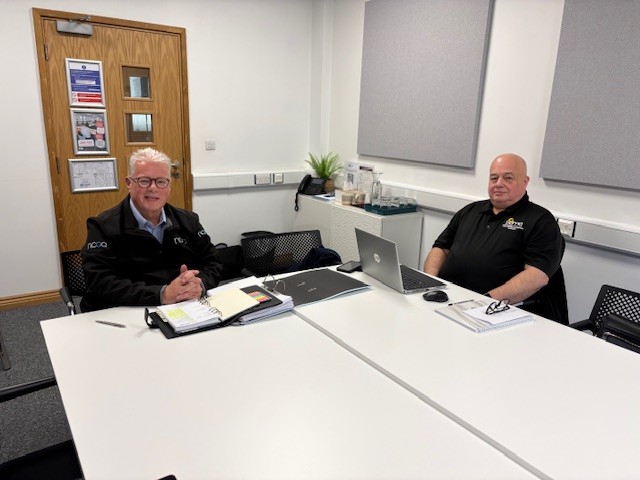
Last month, I met with AJ, CEO of the BDMA, to explore new opportunities for reciprocal collaboration that would benefit both organisations and our wider membership. One of the first topics on the table was asbestos awareness, which remains critically important for professionals working in property care, cleaning, and restoration.
We see scope for improved guidance and training that could bring real value to our members, and I look forward to developing this area in the months ahead.
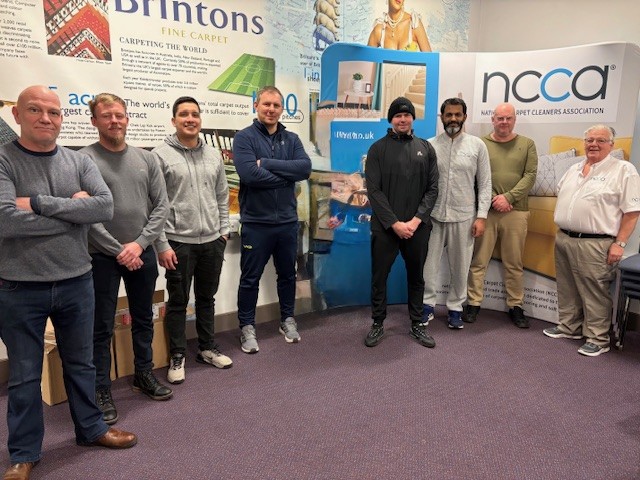
We also began the year with our three‑day Carpet & Upholstery Cleaning Course in Kidderminster. It was fantastic to welcome an enthusiastic and committed group of students; all focused on developing their professional skills.
My thanks go to Paul, who delivered another excellent training programme. Feedback has been extremely positive once again.
In January, I attended the Trade Association Forum’s Parliamentary Reception at the House of Commons.
The Trade Association Forum (TAF)—often described as the UK’s “association of associations”—represents more than 180 trade bodies across the country. Their work centres on promoting best practice, supporting collaboration and highlighting the vital contribution trade associations make to the UK economy.

Events like this play a crucial role in reminding government of the scale, impact and importance of our sector. It was a valuable opportunity to ensure our industry continues to have a strong voice at national level.
I also take part in the British Cleaning Council’s Key Industry Leaders strategic group, which is working towards greater alignment and a more coordinated approach when engaging with government. Raising awareness of the value of our sector remains a shared priority.
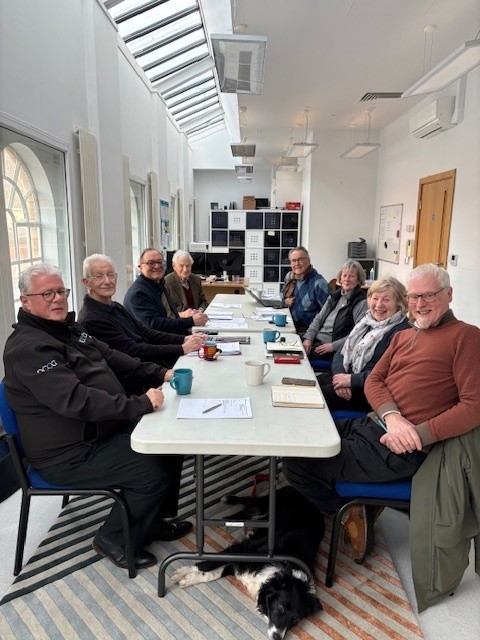
As many of you know, I serve as a Trustee of the Carpet Museum. Last year, the Trustees made the difficult decision to close the museum in December due to financial pressures.
I’m very pleased to share some welcome news: following constructive discussions with stakeholders, the local council has pledged its support, meaning the museum will remain open.
This is a fantastic outcome—not only for preserving the rich heritage of our industry, but also for the local community and future generations who will continue to learn from and enjoy this important cultural institution.
Sadly, February began with heartbreaking news.
John Hopkins passed away, leaving a significant void in the carpet industry and in the hearts of all who knew him.
John’s knowledge and understanding of the carpet world were unparalleled. Over the years, he became far more than an expert—he was a friend, a trusted advisor, a strong supporter of the NCCA, a passionate advocate for the carpet industry, and a fundamental supporter of the Carpet Museum.
His generous spirit, deep knowledge, insight and unwavering dedication have left an enduring legacy.
RIP John Hopkins – your contribution to our industry will never be forgotten.
Adrian Jolly, BDMA Chair, and Dave Wheadon, NCCA CEO, are making excellent progress on their fundraising journey for MNDA! We would like to extend our sincere thanks to everyone who has donated so far.