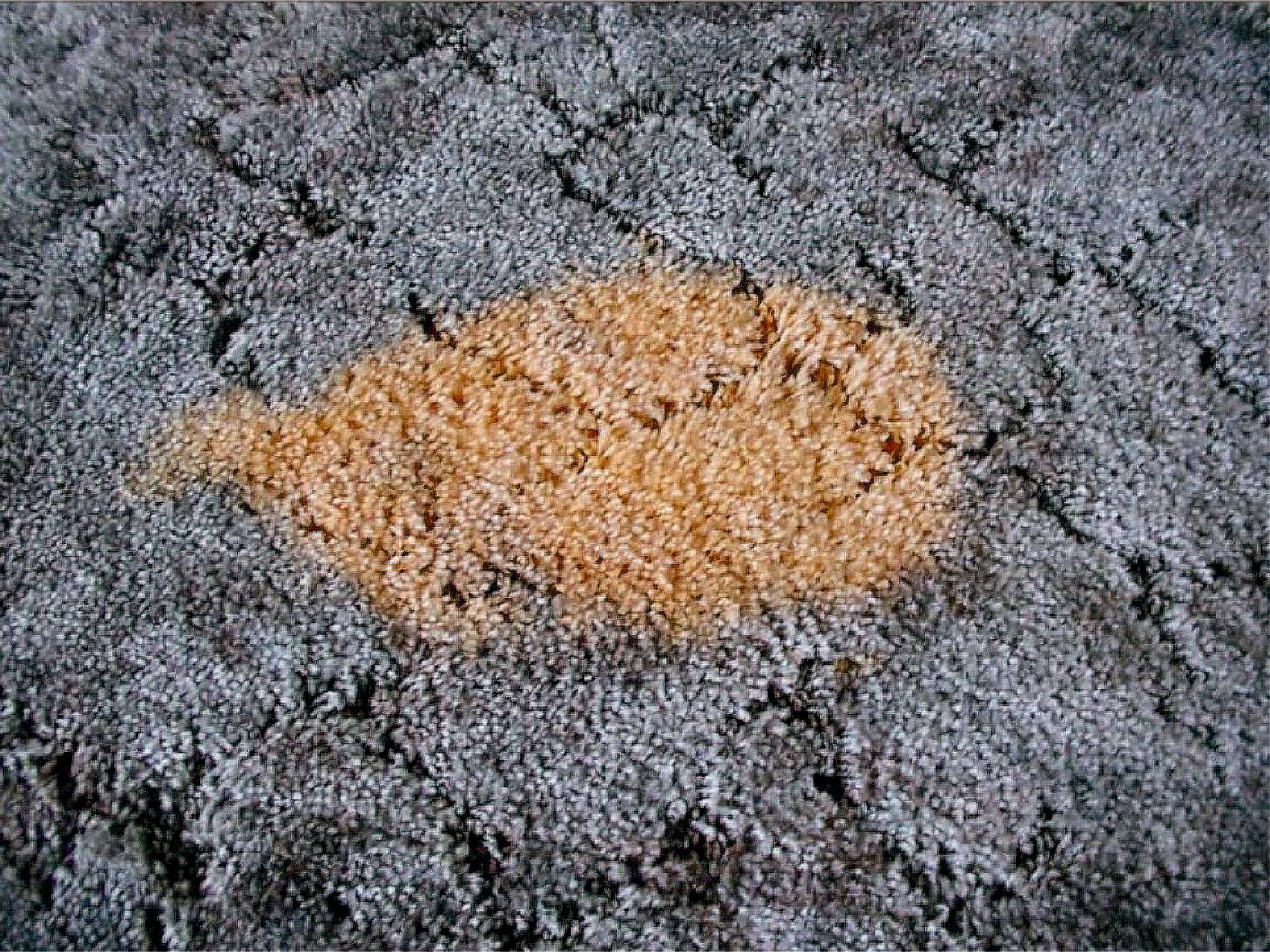
Can You Recolour Your Carpet? A Guide to Carpet Dyeing
Many homeowners consider dyeing their carpet when it begins to look tired, faded or dated. While carpet dyeing can be suitable in some circumstances, it is not appropriate for every carpet, and attempting it without proper knowledge can cause permanent damage. This guide outlines what homeowners need to know, the limitations involved and when to seek professional help.
What carpet dyeing involves
Carpet dyeing is the process of applying colour to existing fibres in order to refresh or restore the appearance of a carpet. It is sometimes used when a carpet has faded due to sunlight, general wear or age. In other cases, it may be considered as an alternative to replacement. However, the process requires specialist knowledge, correct preparation and controlled application to avoid discolouration, over wetting or uneven results.
When carpet dyeing may be possible
Carpet dyeing is only suitable for specific types of carpets. Most successful results occur with carpets that contain wool or nylon, as these fibres are naturally more receptive to dyes. If a carpet is made from polypropylene or other synthetic fibres, it is unlikely to absorb colour effectively.
Even with the right fibres, certain conditions must be met. The carpet must be in good overall condition without heavy wear, significant stains or severe fading. Dye cannot hide existing damage, and it will not cover stains that have penetrated deep into the fibres.
Limitations of carpet dyeing
There are several practical limitations that homeowners should be aware of:
Colour changes are restricted
You cannot dye a carpet to a lighter colour. Dyeing can only darken or adjust the current shade. For example, a faded blue carpet may be refreshed with a deeper blue, but it cannot be changed to beige or cream.
Sun damaged areas may remain visible
If a carpet has been sunbleached unevenly, dye may not restore a consistent colour across the entire room. Severely faded patches may absorb dye differently from areas that are less affected.
Results are not guaranteed
Even with the correct methods, the finished colour may differ from expectations due to the carpet’s age, fibre condition or previous cleaning history. Achieving an even finish requires careful preparation and controlled application.
Risks of DIY carpet dyeing
Home dyeing kits and online tutorials often make the process seem straightforward, but DIY attempts can easily go wrong. Common risks include:
- Over wetting, which can cause shrinkage, mould or matting.
- Uneven colour patches caused by inconsistent application.
- Chemical reactions with previous cleaning products or residues.
- Permanent damage if the wrong dye type is used.
Because carpets are fixed to the floor, mistakes cannot be removed or corrected easily. Once dye is applied, the results are permanent.
When to consider professional help
Carpet dyeing should only be carried out by trained professionals who understand fibre types, dye compatibility, colour correction and moisture control. A professional can:
- Assess whether your carpet is suitable for dyeing.
- Identify risks such as stains, fibre damage or previous cleaning residues.
- Apply colour evenly with controlled moisture levels.
- Advise whether repair, deep cleaning or partial replacement would be a safer option.
Many NCCA members have specialist training in carpet care and can advise whether dyeing is appropriate or whether another solution would offer better results.
Alternatives to dyeing
In some cases, other treatments may be more suitable, including:
- Professional deep cleaning to refresh carpets that look dull due to soil build up.
- Repair or patching when the issue is localised damage rather than overall fading.
- Area protection using rugs to cover worn sections until replacement is feasible.
A trained cleaner can assess your carpet and recommend the safest and most cost effective approach.
Final guidance
Carpet dyeing is possible in certain situations, but it is not suitable for every carpet and carries significant risks if attempted without expertise. A professional assessment is the best way to understand your options and avoid permanent damage. For reliable advice, find a trained, insured NCCA cleaner using our directory.