Cleaning LVT: Dos & Don’ts to Prevent Dulling, Streaks & Damage
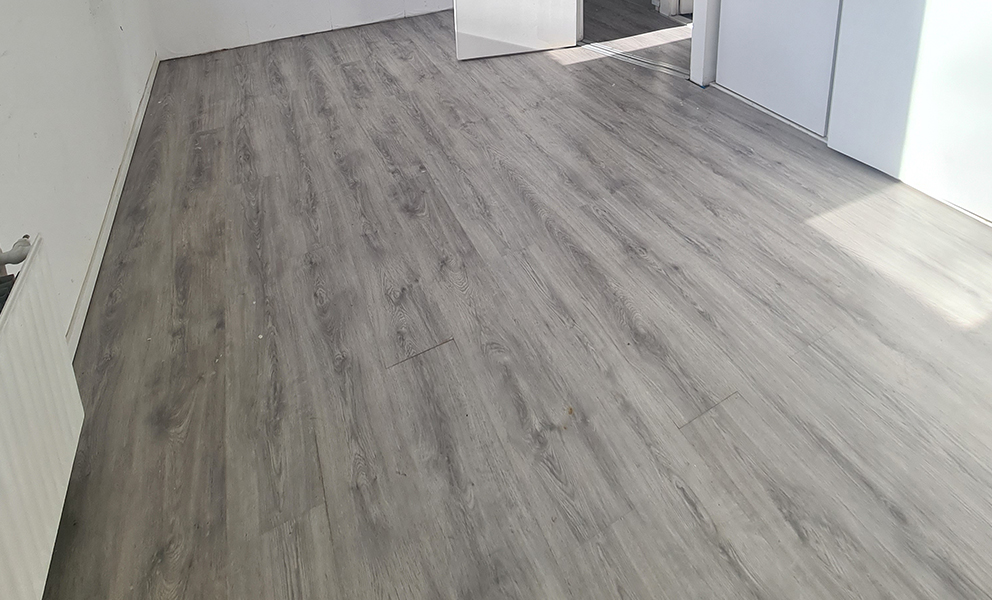
Commonly known as LVT, luxury vinyl tile is a popular flooring choice in many UK homes. It is designed to be hard-wearing, attractive and easy to maintain. However, incorrect cleaning is one of the most common reasons LVT floors become dull, streaky or damaged.
Knowing how to care for LVT properly can help protect its appearance and extend its lifespan.
Why LVT needs careful cleaning
Although LVT looks similar to other hard floors, it has a protective surface layer that can be damaged by unsuitable products or methods. Once this layer is affected, the floor can lose its finish and become harder to keep clean.
Many problems occur because LVT is cleaned as if it were ceramic tile or laminate, which can lead to long-term issues.
Related: Hard Flooring vs Carpet: Cleaning & Maintenance Differences
The dos of cleaning LVT
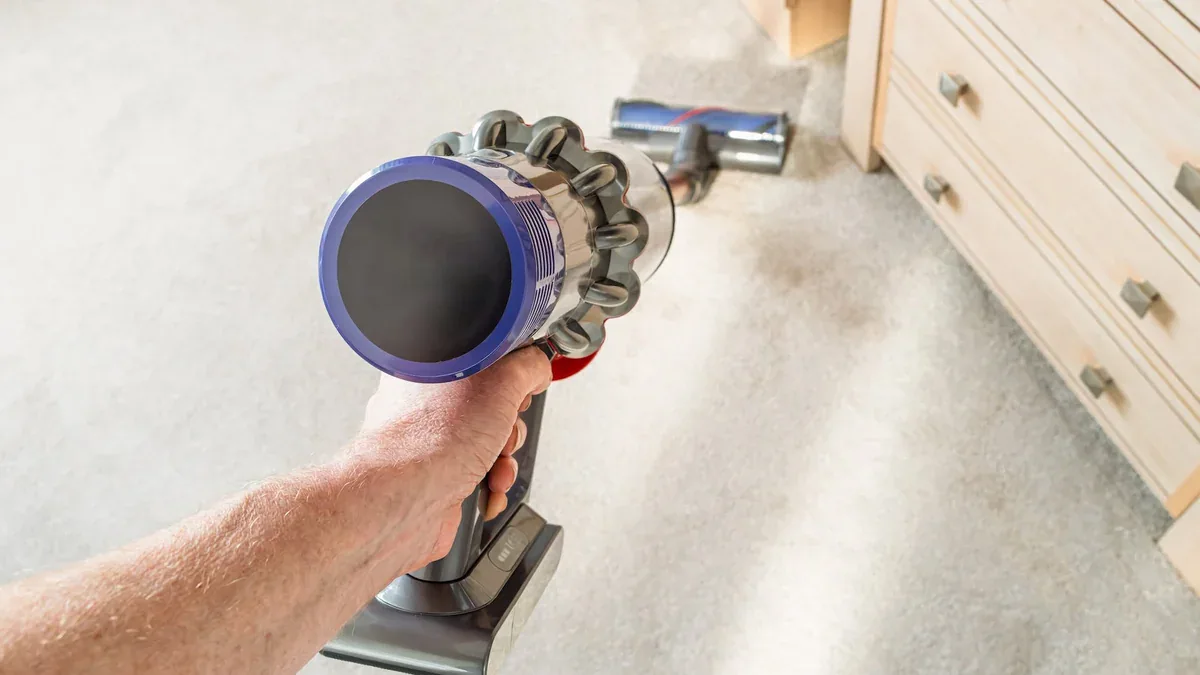
Regular dry cleaning is essential. Dust, grit and small particles act like sandpaper underfoot and can wear down the surface over time. Sweeping or vacuuming regularly helps reduce this risk.
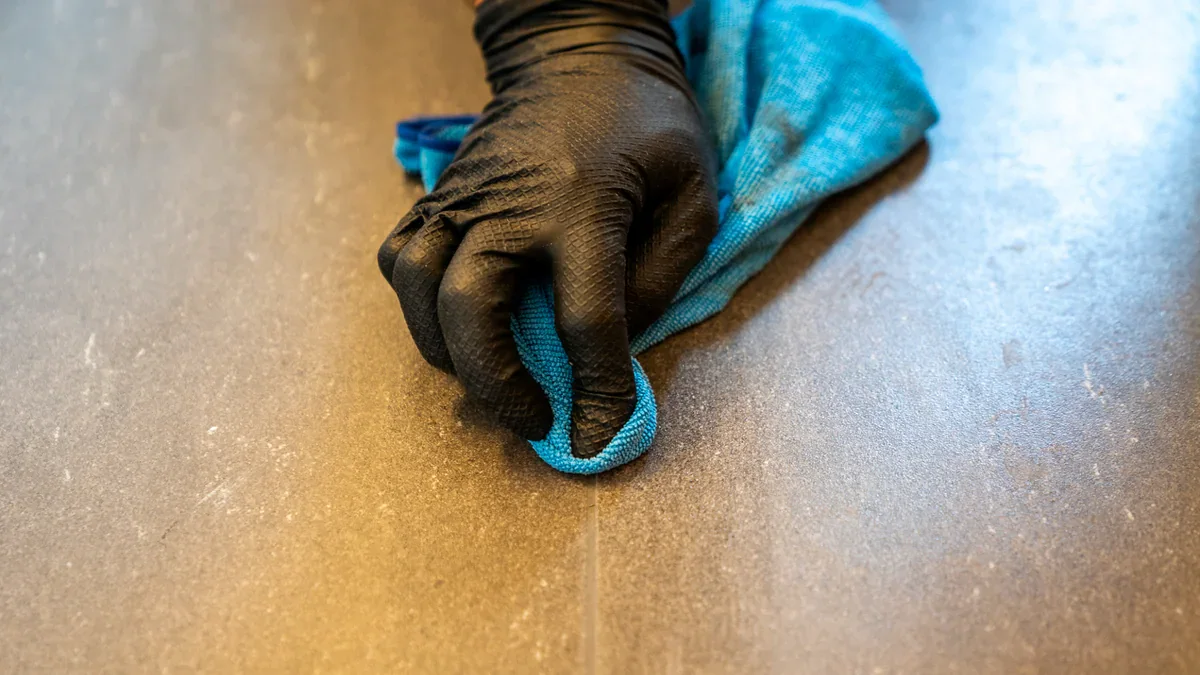
Spills should be dealt with promptly. While LVT is water resistant, liquids left on the surface can leave marks or residue. Gentle, controlled cleaning is always better than heavy wetting.
Using products that are suitable for cleaning LVT is also important. Always follow the flooring manufacturer’s care guidance, as this is designed to protect the surface finish.
Keeping entrance areas clean and using door mats can significantly reduce the amount of dirt brought onto the floor, particularly in busy households.
The don’ts that cause dulling and streaks
One of the most common mistakes is using strong household cleaners. Products designed for bathrooms or kitchens can be too harsh and may strip the protective layer from LVT, leaving it looking flat or patchy.
Steam cleaners should also be avoided unless the manufacturer specifically states they are suitable. Heat and moisture can force water into joints and edges, increasing the risk of damage.
Using abrasive pads, stiff brushes or scrubbing heavily can scratch the surface. These scratches trap dirt, making the floor look dull even after cleaning.
Another frequent issue is using too much product when cleaning LVT. Residue can build up over time, leading to streaks that seem impossible to remove with normal cleaning.
Why DIY fixes often make the problem worse
When an LVT floor starts to look tired, many homeowners try stronger products or more frequent cleaning. Unfortunately, this often worsens the issue by adding more residue or causing further surface damage.
Once the protective layer has been affected, home cleaning methods may no longer be effective.
Read more: The Science Behind Stain Removal: Why DIY Methods Don’t Always Work
When to call a professional
If your LVT floor remains dull or streaky despite careful cleaning, it is best to seek professional advice. A trained cleaner can assess whether the problem is surface residue, wear or damage to the finish.
Professional LVT cleaning helps avoid costly mistakes and protects your flooring investment.
Choosing a trained cleaner
Members of the National Carpet Cleaners Association are trained and insured to work with a wide range of flooring types, including LVT. They follow a Code of Practice and understand how to clean safely and effectively.
To find a trained, insured professional near you, use the NCCA directory and choose a cleaner who can assess your floor properly and help maintain it for the long term.