How to Clean a Dirty Sofa: DIY and Professional Methods
Sofas are one of the most heavily used items of furniture in the home. Over time, everyday use leads to a build-up of dirt, body oils, dust and allergens. Spills, pets and children can add to the problem, leaving sofas looking tired and unhygienic.
Understanding what you can safely do at home, and when professional cleaning is the better option, will help protect both your sofa and your household.
Why sofas get dirty so quickly
Soft furnishings absorb far more than many people realise. Fabric fibres trap dust, skin particles and airborne pollutants. Light-coloured sofas may show marks quickly, while darker fabrics can hide dirt that still affects cleanliness and air quality.
Regular use also causes gradual wear, which can make fabric more likely to hold onto soiling.
Safe DIY care for sofas
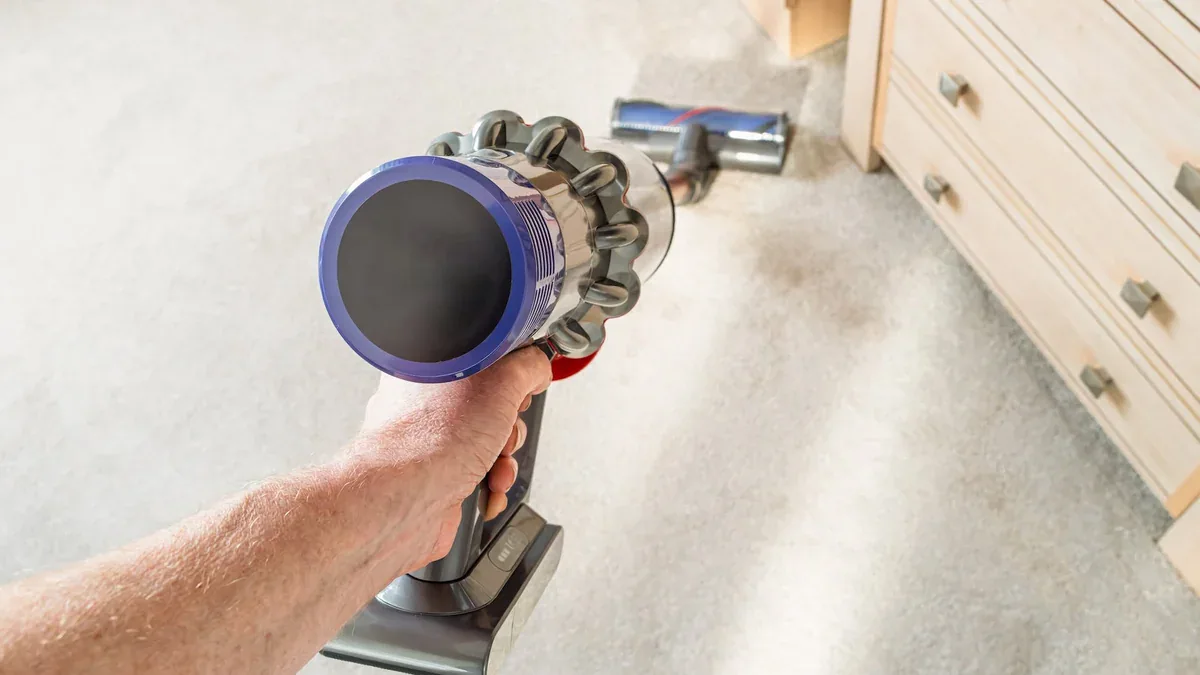
Routine maintenance plays an important role in keeping a sofa in good condition. Regular vacuuming using an upholstery attachment helps remove surface dust and grit before it becomes embedded. This should be done gently to avoid damaging fibres.
Prompt attention to spills is also important if you’re wondering how to clean a dirty sofa. Blotting, rather than rubbing, reduces the risk of spreading stains or damaging the fabric. Always check care labels and manufacturer guidance before attempting any home cleaning.
Using too much moisture is a common DIY mistake. Over-wetting can lead to shrinkage, water marks or long drying times, which increase the risk of odours and mould. Strong household cleaners can also cause colour loss or fabric distortion.
Above all, DIY cleaning should be limited to light, surface-level care. If you’re unsure about the fabric type or how it may react, it’s safer to stop.
Related: How to Protect Your Carpets and Upholstery from Everyday Wear and Tear
Risks of incorrect DIY cleaning
Many sofas are made from blended or delicate fabrics that react badly to unsuitable products. What works on one sofa may permanently damage another.
Common problems include patchy discolouration, stiffened fabric, shrinkage and lingering smells. Once damage occurs, it can be difficult or impossible to reverse.
These risks are higher with older furniture, natural fibres or sofas with previous staining.
When professional cleaning is recommended
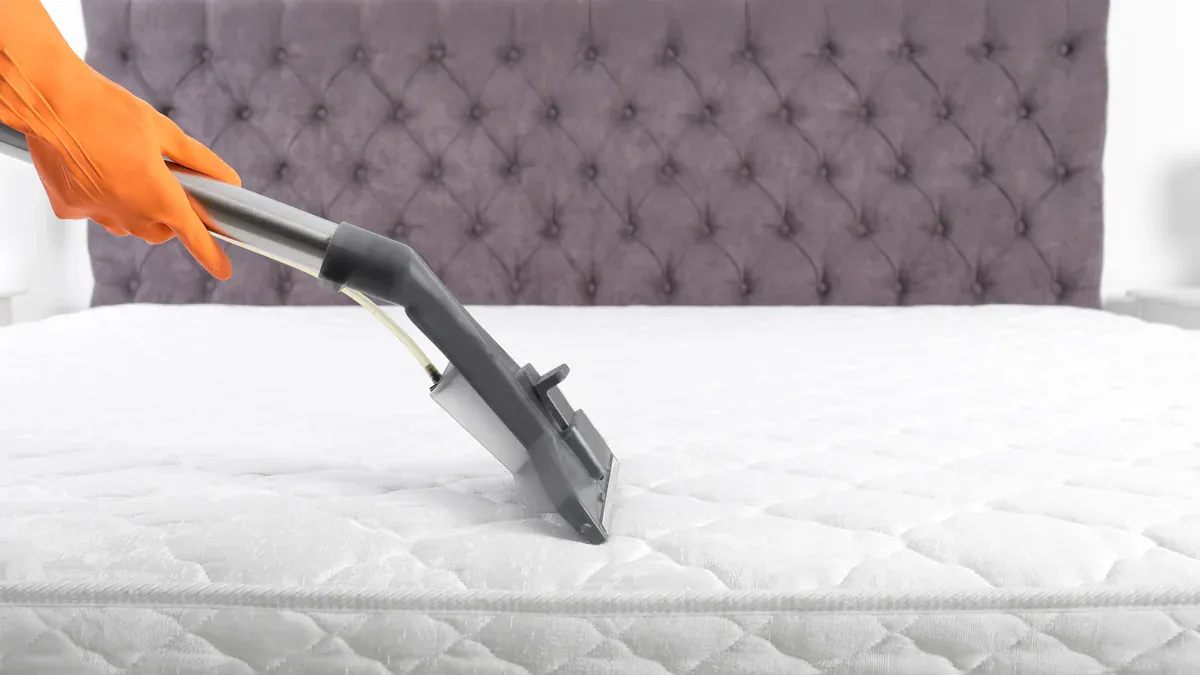
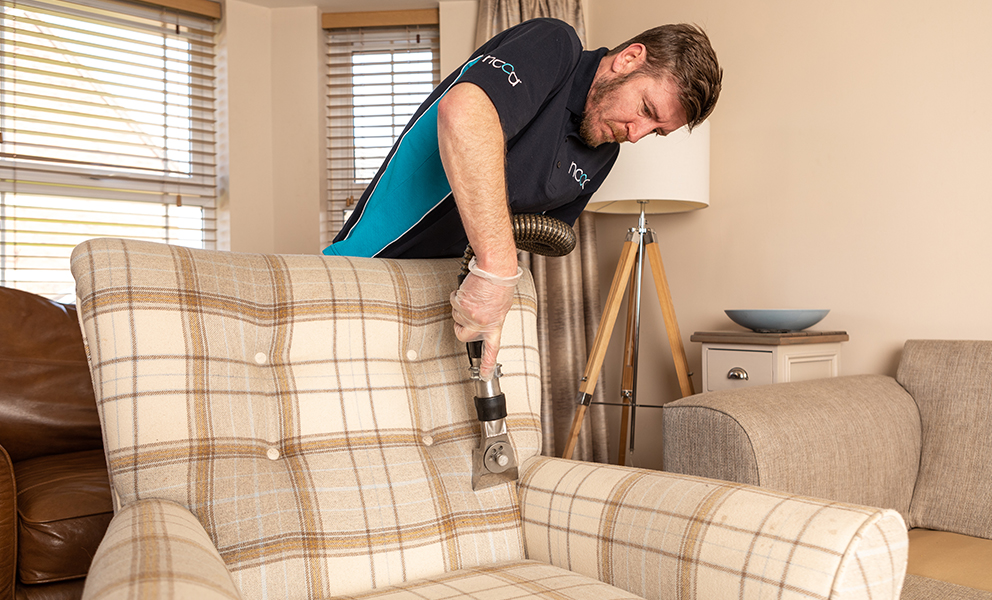
Professional cleaning is often the safest option when a sofa is heavily soiled, stained or hasn’t been cleaned for a long time. It is also recommended for delicate fabrics, large items or situations involving odours or allergens.
A trained professional will identify the fabric type and level of soiling before any cleaning takes place. This assessment helps ensure the correct method is used, reducing the risk of damage.
Professional cleaning can improve appearance, hygiene and freshness while extending the life of the sofa.
Why professional assessment matters
Not all stains are the same, and not all sofas can be treated in the same way. When it comes to how to clean a dirty sofa, professional cleaners understand how different fabrics respond to moisture, heat and cleaning solutions.
They also have the training to manage risks such as colour movement, shrinkage and long drying times.
Choosing a trained and insured cleaner
Using a trained professional provides reassurance that your sofa is being cared for properly. Members of the National Carpet Cleaners Association are trained, insured and follow a Code of Practice.
They understand how to clean upholstery safely and responsibly, protecting both your furniture and your home.
If your sofa looks dirty, smells unpleasant or you are unsure how to clean it safely, finding an NCCA member through our directory is a sensible next step.