Blinds Cleaning: What You Can Do at Home & When to Call a Professional
Blinds collect dust, grease and allergens more quickly than many people realise, particularly in kitchens and bathrooms. Left too long, this build-up can affect both their appearance and the air quality of the room.
This guide explains what you can safely clean at home, and when it's worth calling in a professional instead.
Why blinds get dirty so quickly
Horizontal slats and folded fabric both trap dust effectively, acting almost like a filter for the room. Kitchens add cooking grease to the mix, while bathrooms introduce moisture that can encourage mould on some materials.
Even blinds that look clean from a distance can be holding onto dust and allergens that affect the wider air quality of a room, particularly for households with allergy sufferers.
Cleaning different types of blinds
Venetian and vertical blinds, usually made from aluminium, wood or PVC, can generally be wiped down without much risk. Roller and Roman blinds, made from fabric, are more delicate and can be damaged by too much moisture or an unsuitable cleaning product.
Many homes pair blinds with curtains for extra light control, and some of the same care principles used for curtain cleaning apply here too (regular dusting, cautious drying). Wooden blinds in particular should be kept as dry as possible, since excess moisture can cause warping or discolouration over time.
Safe cleaning methods at home
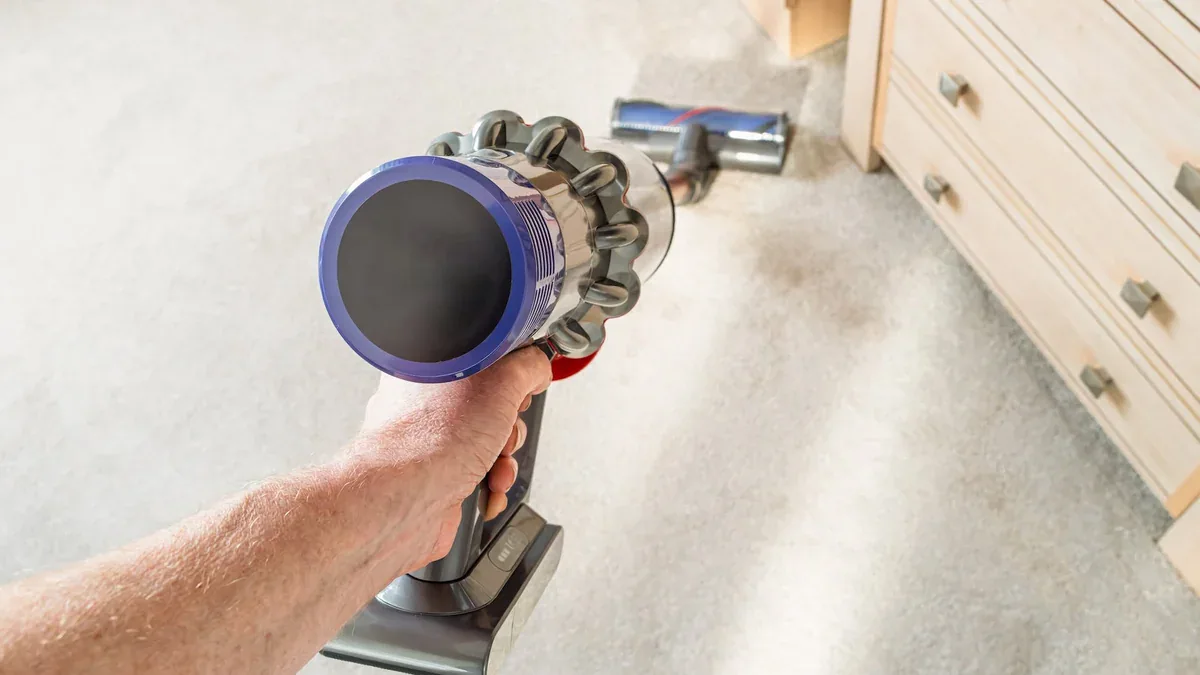
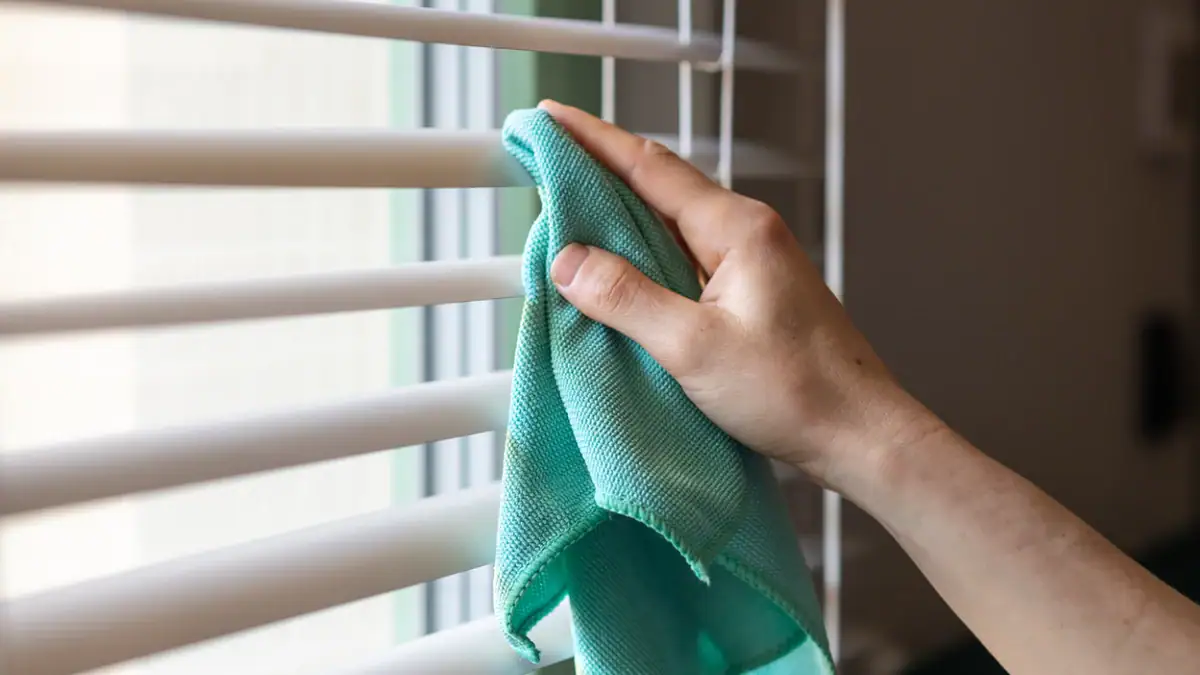
Regular dusting with a soft brush or a vacuum's upholstery attachment removes surface dust before it builds up. Working from top to bottom, slat by slat, is usually the quickest way to see a difference.
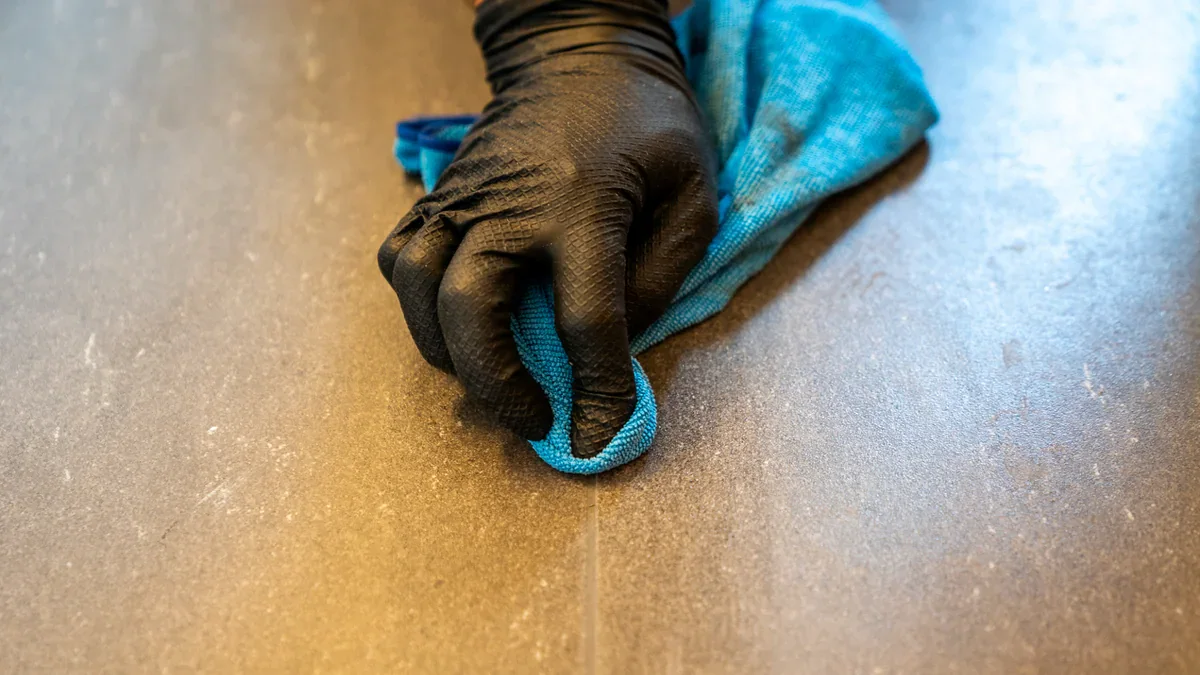
For hard blinds, a damp cloth with a mild solution can lift grease or fingerprints. Fabric blinds are best treated cautiously, since over-wetting can cause shrinkage or watermarks that are difficult to reverse.
When DIY cleaning isn't enough
Some problems go beyond dusting and wiping. Blinds that are heavily soiled, discoloured or affected by mould often need a deeper clean than home methods can safely provide.
Fabric blinds and pleated shades can also be harder to manage at home without the right equipment, particularly if they can't be removed and cleaned flat.
When to call a professional
If a blind looks stained, smells musty or hasn't been properly cleaned in years, it's worth getting a professional opinion before attempting anything more than a light dust. A trained cleaner can identify the material and the safest method for it.
Knowing when to get help with your blinds
Routine dusting between deeper cleans keeps most blinds looking fresh and helps protect indoor air quality. Where blinds are heavily soiled, made from delicate fabric, or affected by damp, a professional assessment can prevent further damage.
Members of the National Carpet Cleaners Association are trained and insured to work with a wide range of soft furnishings, including blinds, and follow a Code of Practice.
You can find a trained, insured NCCA cleaner using our directory. Professional cleaning can help refresh blinds and soft furnishings that home methods can't fully restore.