Carpet Cleaning for Renters: What Landlords and Tenants Need to Know
Carpets are one of the most common sources of dispute between landlords and tenants at the end of a tenancy. Understanding the responsibilities on both sides (and what good carpet care looks like during a tenancy) can help avoid disagreements and protect everyone involved.
This guide explains what tenants and landlords need to know about carpet cleaning, from everyday maintenance to what happens when a tenancy ends.
Why carpets are a common source of disputes
Wear and tear is a normal part of renting, and carpets are expected to show some signs of use over time. The difficulty arises when the condition of a carpet at the end of a tenancy goes beyond what is considered reasonable. And when landlords and tenants disagree about where that line sits.
Clear expectations, good communication and proper care throughout the tenancy are the most effective ways to prevent disputes from arising. Understanding who is responsible for carpets in a rented property is a useful starting point for both parties.
Tenant responsibilities during a tenancy
Tenants are generally expected to keep carpets in a reasonable condition throughout their tenancy. This doesn’t mean carpets need to look new at the end. But it does mean avoiding damage beyond normal use.
Vacuuming
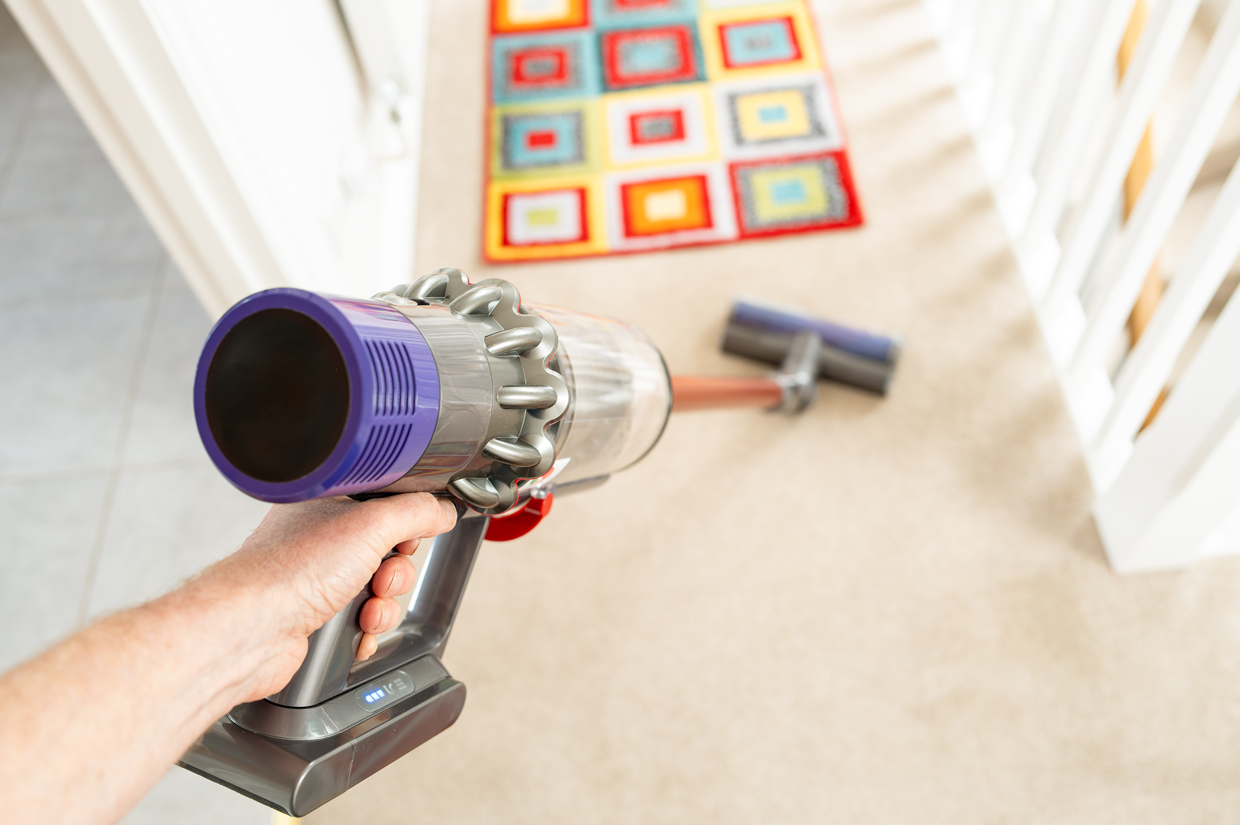
Regular vacuuming is the single most effective thing a tenant can do. It removes grit and surface soiling before it becomes embedded, which slows the rate of wear and keeps carpets looking cleaner for longer. High-traffic areas such as hallways, stairs and living rooms benefit most from frequent attention.
Spills
Dealing with spills promptly also makes a significant difference. Blotting rather than rubbing, and avoiding harsh household products, reduces the risk of permanent staining. Many stains that seem minor when they happen become much harder to remove if they are left to dry or treated incorrectly. Our post on the science behind stain removal explains why acting quickly and carefully matters.
Tenants with pets should be aware that pet hair, dander and odours can affect carpets more significantly than everyday use. Managing pet hair and maintaining carpets in a rented home requires consistent effort throughout the tenancy, not just at the end.
Landlord responsibilities
Landlords are responsible for ensuring carpets are in a reasonable condition at the start of a tenancy. Providing a carpet that is already heavily worn, stained or near the end of its useful life and then expecting a tenant to return it in better condition is obviously not reasonable.
A clear inventory at the start of the tenancy protects both parties. It should include photographs documenting the condition of carpets in each room. Without this, disputes about what constitutes damage versus fair wear and tear become much harder to resolve.
Landlords should also be aware that carpets have a finite lifespan. Expecting a tenant to fund the replacement of a carpet that was already old at the start of the tenancy is unlikely to be supported by a deposit scheme adjudicator. Understanding how long carpets last and what affects their lifespan is relevant to setting realistic expectations.
Professional cleaning at the end of a tenancy
Whether professional carpet cleaning is required at the end of a tenancy depends on the tenancy agreement and the condition of the carpets. Some agreements include a clause requiring professional cleaning. However, the enforceability of such clauses has changed in recent years and tenants should check what they have agreed to.
Where carpets have become heavily soiled or stained beyond normal use, professional cleaning is usually the most effective way to restore them before a checkout inspection. A tenant's end of tenancy checklist covers the key steps involved in preparing carpets for a final inspection.
For landlords, professional cleaning between tenancies is a sensible way to ensure carpets are presented in good condition for incoming tenants and to establish a clear baseline for the inventory.
Choosing a trained professional
Members of the National Carpet Cleaners Association are trained and insured to clean carpets safely and effectively. They follow a Code of Practice and can provide documentation of the work carried out, which is useful for both tenants and landlords as part of an end of tenancy record.
You can find a trained, insured NCCA cleaner using our directory. Professional carpet cleaning can help protect a deposit, maintain a rental property and avoid disputes that are costly and stressful for everyone involved.