Cleaning Natural Stone Floors: Dos and Don'ts
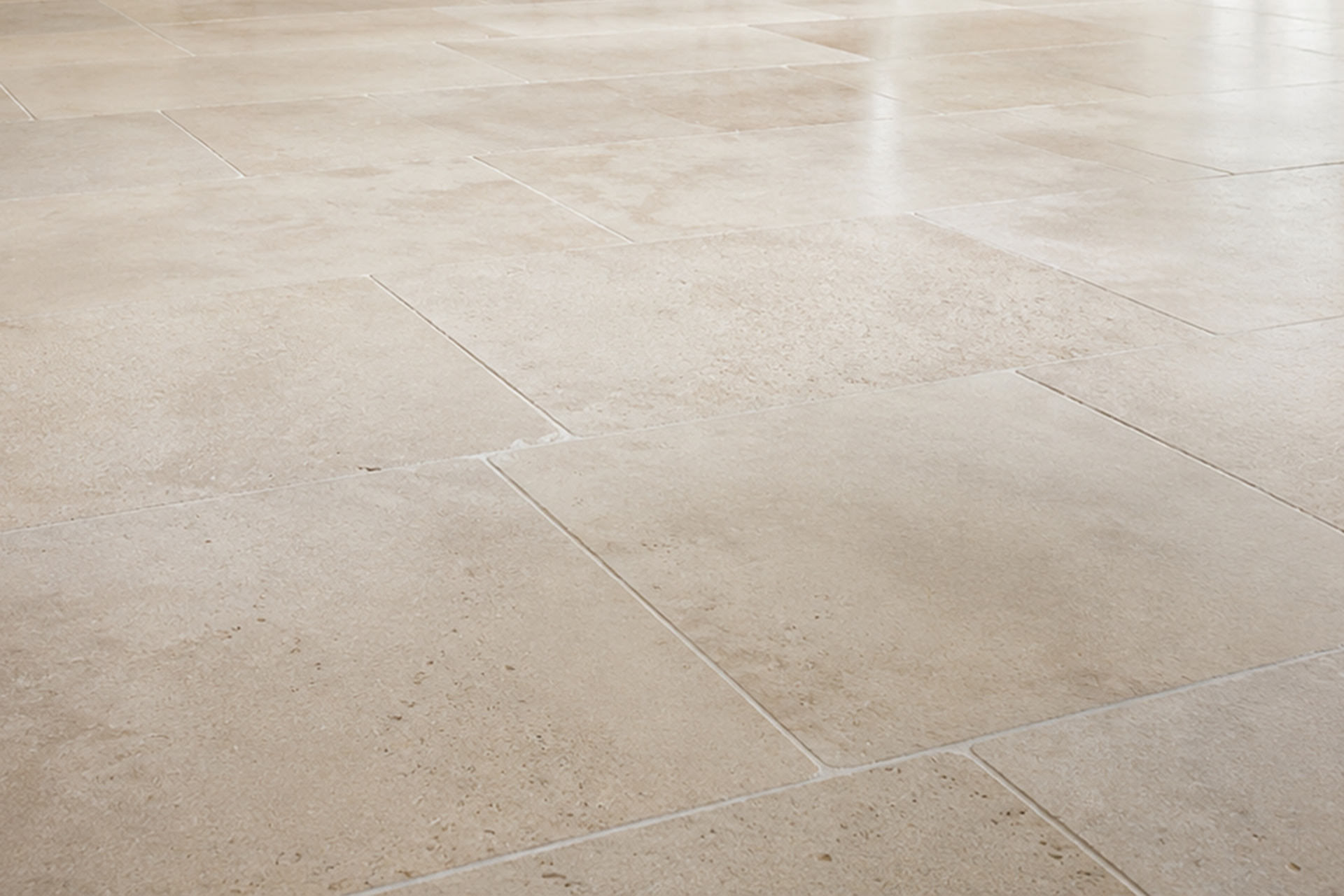
Natural stone floors, such as marble, limestone, travertine and slate, are valued for their natural beauty and durability. Unlike sealed hard flooring, stone is porous and reacts differently to cleaning products and methods.
Using the wrong approach can cause permanent etching, staining or dulling. This guide explains the key dos and don'ts of cleaning natural stone floors, helping you protect their appearance and avoid costly damage.
Why natural stone needs special care
Natural stone is more absorbent than manufactured flooring. Its surface can be worn down by everyday grit, and it's more sensitive to certain chemicals than other hard floor types.
Many common household cleaning products are unsuitable for stone. Understanding this is the first step in avoiding some of the hard floor cleaning mistakes that damage flooring.
The dos of cleaning natural stone floors
- Sweeping or dust mopping regularly helps remove grit before it can scratch the surface. A soft-bristled broom or microfibre mop is best.
- Use a cleaning product designed specifically for natural stone. These are formulated to be pH-neutral, which protects the surface from chemical damage.
- Deal with spills as soon as they happen. Blot the area gently rather than wiping, particularly with acidic liquids such as wine, juice or coffee.
- Reseal the floor periodically, following the manufacturer's guidance. Sealant helps protect stone from staining and moisture absorption.
The don'ts that cause damage
- Avoid vinegar, lemon-based cleaners or anything acidic. These can etch natural stone, leaving dull marks that are difficult to reverse.
- Steer clear of bleach and ammonia-based products too. They can discolour stone and break down sealants over time.
- Don't use abrasive pads, stiff brushes or scouring powders. These can scratch the surface, leaving it looking worn even after cleaning.
- Avoid generic tile or floor cleaners that aren't formulated for stone. What works safely on ceramic or vinyl can still damage marble, limestone or travertine.
Why DIY fixes can make the problem worse
When a stone floor starts to look dull or marked, it's tempting to reach for a stronger product. This can worsen the damage, particularly if the surface has already been etched.
Once the sealant or surface finish has broken down, ordinary cleaning is unlikely to restore the floor's appearance. Understanding why DIY stain removal methods don't always work can help avoid making a mark permanent.
When to call a professional
If your stone floor looks etched, dull or stained despite careful cleaning, professional attention is usually the safest option. A trained cleaner can assess the type of stone and the extent of any damage before recommending treatment.
Professional restoration can often revive a stone floor's appearance without the risks that come with further DIY attempts.
Choosing a trained professional
Caring for natural stone takes the right knowledge and the right products. Members of the National Carpet Cleaners Association are trained and insured to work with a wide range of flooring types, including natural stone.
If your stone floor needs more than routine cleaning, finding a qualified professional is a sensible next step.
You can find a trained, insured NCCA cleaner using our directory. Professional stone floor cleaning can restore its appearance and protect your investment for years to come.