Hard Floor Cleaning Mistakes That Damage Your Flooring
Hard floors are a popular choice in many UK homes, valued for their appearance and durability. But incorrect cleaning is one of the most common reasons they lose their finish, develop scratches or become harder to maintain over time.
This guide covers the most common hard floor cleaning mistakes and explains why they cause damage. We’ll also outline when professional help is the right choice. For guidance on specific floor types, see our Guide to Hard Floor Cleaning and Restoration.
Using the wrong cleaning products
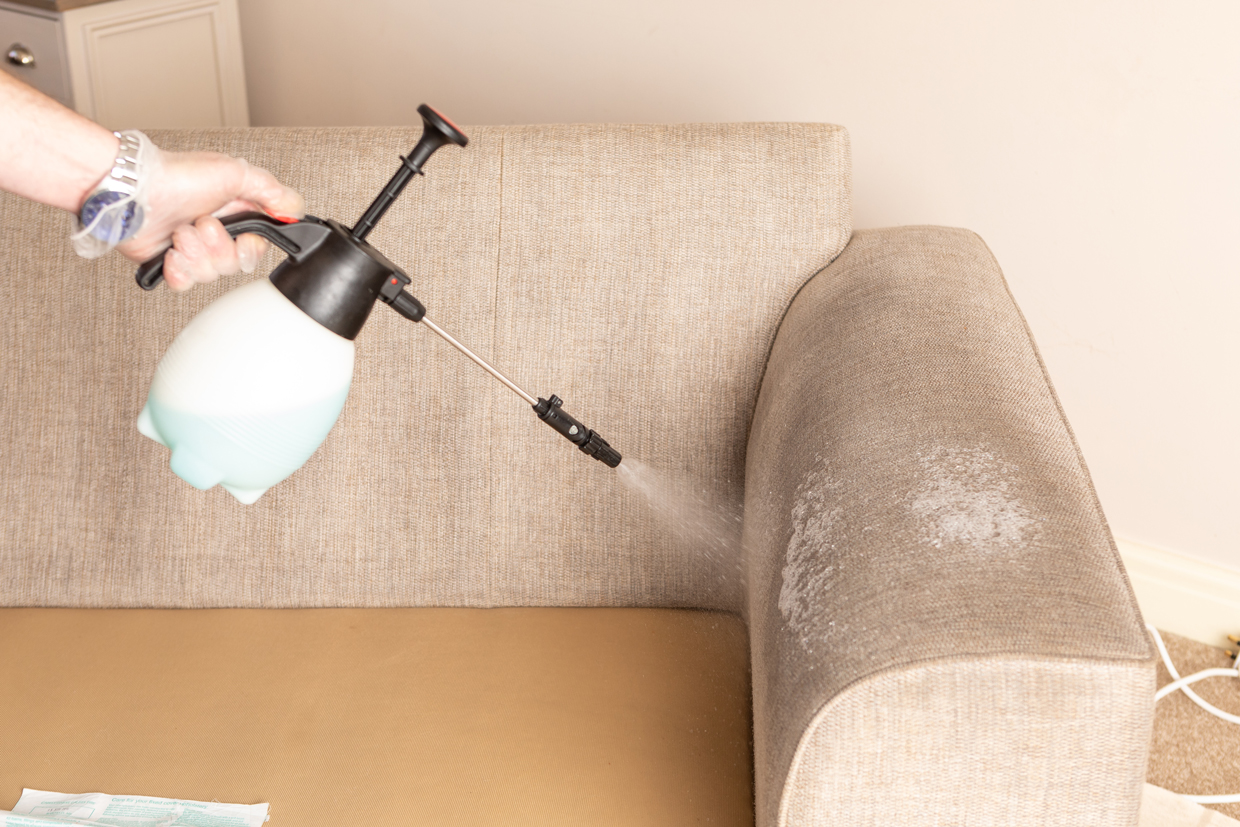
Many household cleaning products aren't designed for hard floors. Products intended for bathrooms, kitchens or general surfaces can be too alkaline or too acidic for certain floor finishes. As a result, they strip protective coatings and leave the surface dull or patchy.
Always check that any product you use is suitable for your specific floor type. Flooring manufacturers usually provide care guidance. Following this is the safest approach.
Over-wetting the floor
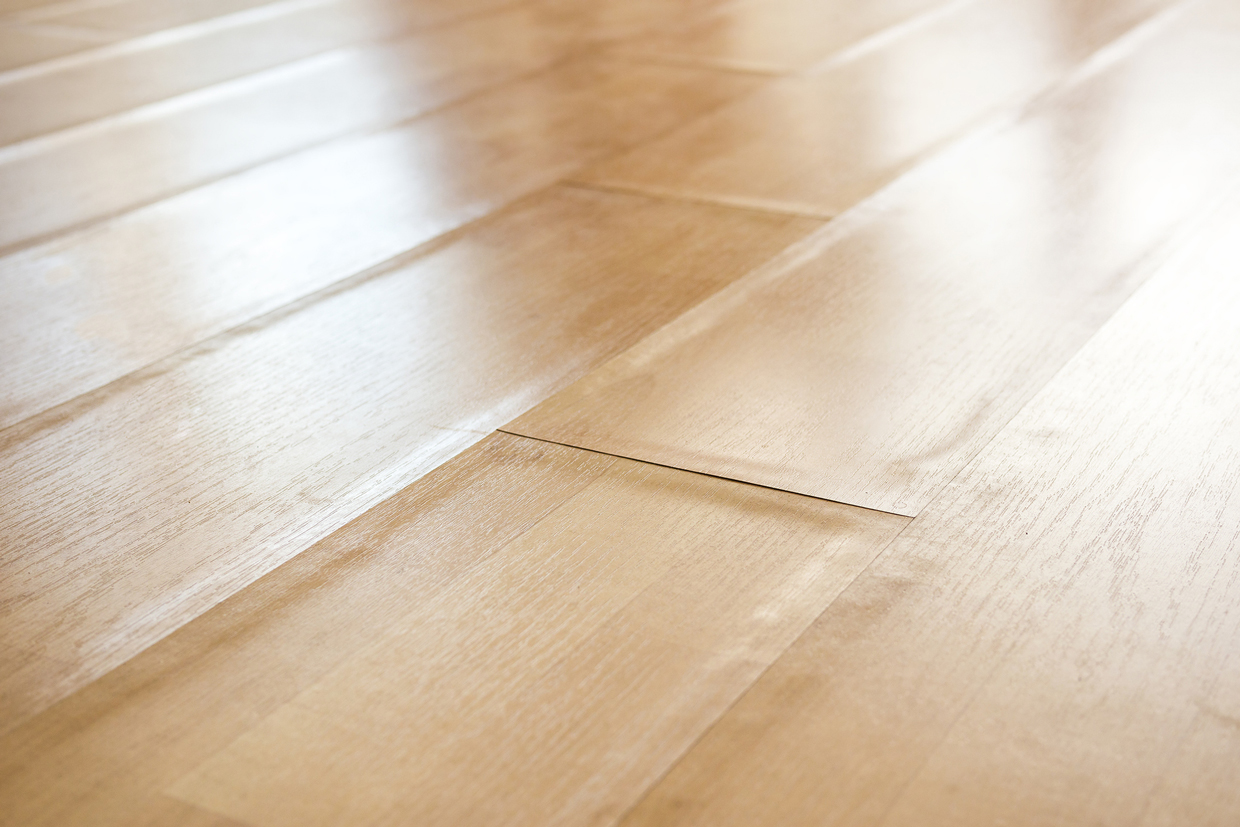
Excess moisture is one of the most damaging hard floor cleaning mistakes. Water can seep into joints, edges and seams, causing swelling, warping or lifting. That’s particularly true with wood, laminate and LVT.
Damp mopping is sufficient for most hard floors. Wringing the mop thoroughly before use and avoiding puddles helps reduce the risk considerably.
Using a steam cleaner on unsuitable floors
Steam cleaners are popular but aren't appropriate for all hard floor types. Heat and moisture forced into floor joints can cause lasting damage. Unless the manufacturer of your LVT, wood or laminate floor specifically confirms steam cleaning is safe, it's best avoided.
Skipping regular dry cleaning
Dust, grit and fine particles act like sandpaper underfoot. Without regular sweeping or vacuuming, these abrasive particles wear down the surface with every footstep.
For most hard floors, dry cleaning is the most important routine task. It's also worth considering hard flooring vs carpet cleaning and maintenance differences when planning a home cleaning routine.
Scrubbing with abrasive tools
Stiff brushes, scouring pads and abrasive cloths can scratch hard floor surfaces permanently. These scratches trap dirt, making the floor appear dull even after cleaning.
Soft microfibre cloths and mop heads are generally the safest choice for most hard floor types.
Allowing product residue to build up
Using too much cleaning solution is a common mistake. Excess product leaves a residue that attracts more dirt and creates streaks. Over time, this build-up can affect the floor's finish and become difficult to remove with normal cleaning.
Less product is almost always better. A small amount diluted in clean water is sufficient for regular mopping.
Ignoring spills
Even water-resistant floors can be affected by spills left sitting on the surface. Liquids can leave watermarks, residue or staining, particularly on natural stone or wood. Prompt, gentle blotting is always preferable to leaving a spill to dry.
Getting the professionals in
Avoiding these hard floor cleaning mistakes can significantly extend the life and appearance of your flooring. If your floor looks dull, streaky or damaged despite careful cleaning, a professional assessment is a sensible next step, especially if the protective finish may have been affected.
Members of the National Carpet Cleaners Association (NCCA) are trained and insured to work with a wide range of hard floor types, including LVT, wood, stone and tile. Professional hard floor cleaning can help restore your floor's finish and protect it for years to come. You can find a trained, insured NCCA cleaner using our directory.