How to Clean Laminate Flooring without Ruining the Finish
Laminate flooring is a popular choice in UK homes, prized for its realistic wood-effect finish and easy-care reputation. That finish is also its most vulnerable part, and the wrong cleaning routine can leave it dull, scratched or streaked.
This guide explains how to clean laminate flooring safely, covering the steps that protect the finish while keeping your floor looking its best.
Why laminate flooring needs different care
Laminate isn't the same as other hard flooring types, even though it's often cleaned in the same way. Its surface is a thin, printed layer sealed under a protective coating, rather than a solid material all the way through.
Once that coating is scratched or worn away, the floor beneath can be exposed to moisture and damage. This makes technique just as important as the product you choose.
1. Sweep or vacuum before you clean
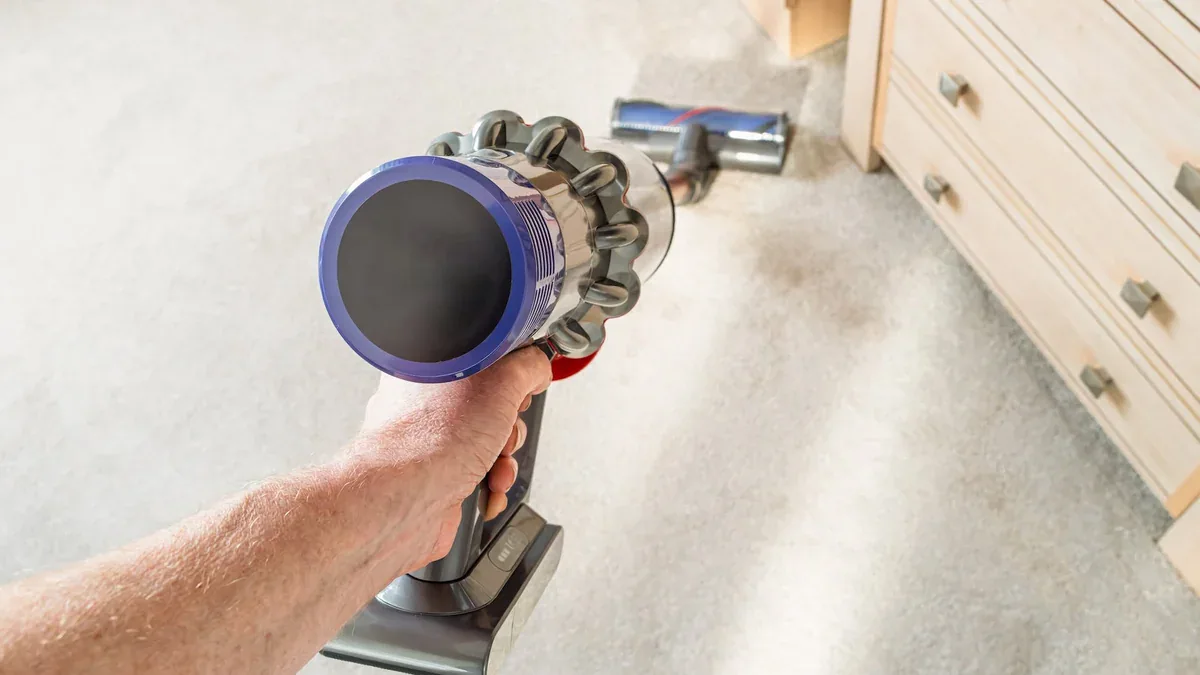
Grit, sand and small particles can scratch laminate if they're pushed around with a wet mop. Sweeping or vacuuming with a hard-floor setting first removes this loose debris safely.
Doing this regularly, rather than only before a deeper clean, helps prevent fine scratches building up over time.
2. Choose a laminate-safe cleaning product
Not all floor cleaners are suitable for laminate. Wax-based or oil-based products can leave a residue that dulls the finish, while bleach and other harsh chemicals may strip it entirely.
A cleaner labelled specifically for laminate, used sparingly and according to the manufacturer's instructions, is usually the safest option.
Related: Hard Floor Cleaning Mistakes That Damage Your Flooring
3. Mop with minimal moisture
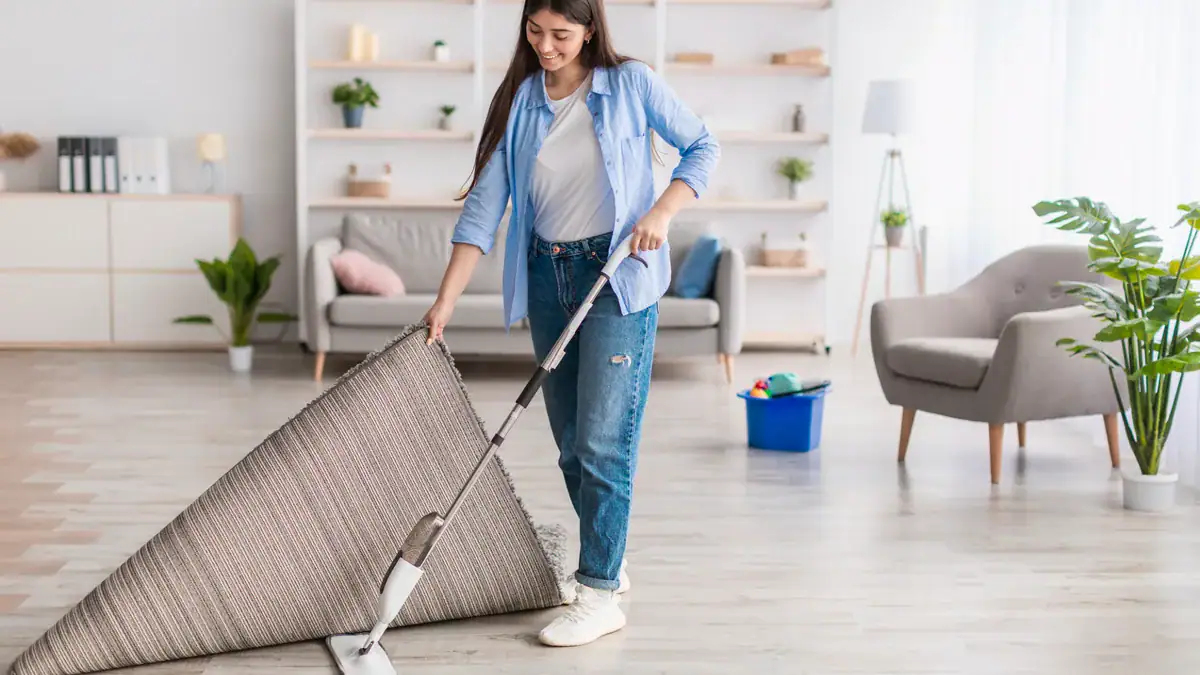
Laminate isn’t waterproof, and standing water can seep into the seams between boards. This can cause swelling, warping or discolouration that's difficult to reverse.
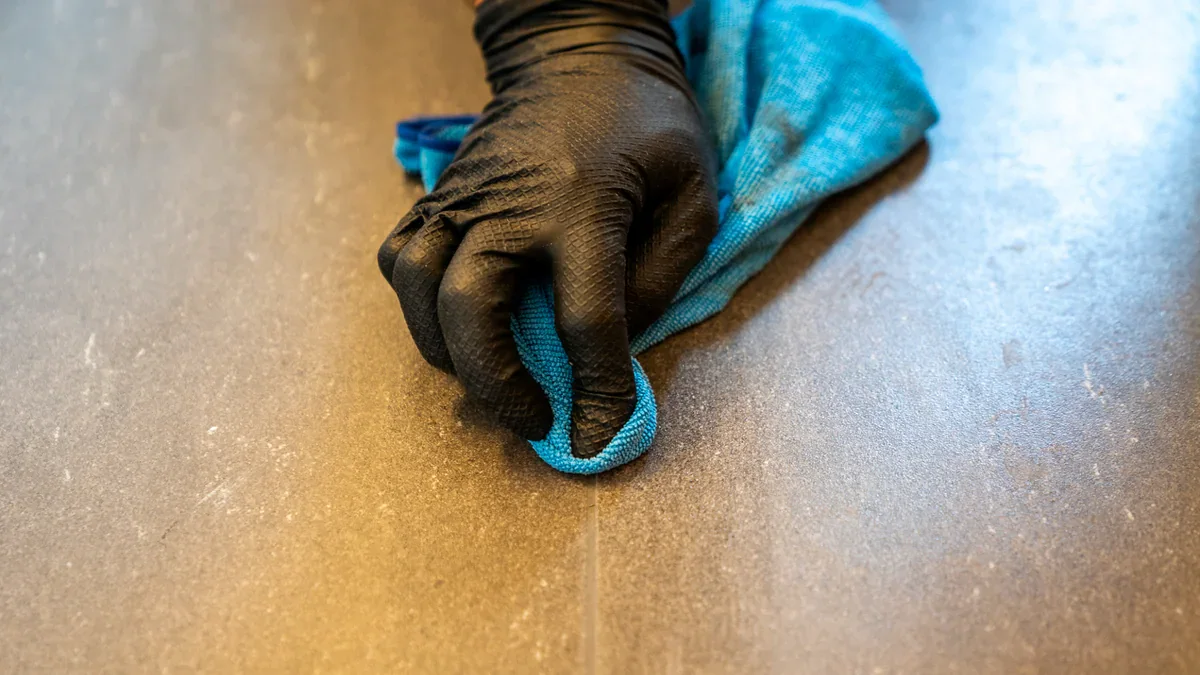
A well-wrung, barely damp mop is usually enough. It's worth drying the floor with a soft cloth immediately afterwards, particularly in kitchens and hallways where spills are common.
4. Treat spills and marks quickly
Spills left too long can seep into the joints or leave a sticky residue once dry. Wiping them up as soon as they happen reduces this risk considerably.
For stubborn marks, gentle methods work best. Scrubbing hard or using abrasive pads can scratch the surface, which often makes marks more noticeable rather than less.
5. Protect the finish between cleans
Door mats at entrances help reduce the grit brought in from outside, while felt pads under furniture legs prevent scuffing when items are moved.
Direct sunlight can also fade laminate over time, so curtains or blinds can help protect flooring in south-facing rooms.
Expert help when it's needed
If laminate flooring has already lost its shine, become sticky, or shows signs of damage beneath the surface, home cleaning might not be enough to restore it. A trained professional can assess whether the issue is residue, wear or damage to the protective layer, and recommend the right next step.
Hard floor cleaning and restoration covers a wider range of flooring types and problems than home cleaning alone can put right. Members of the National Carpet Cleaners Association are trained and insured to work with a wide range of flooring types, including laminate, and follow a Code of Practice.
You can find a trained, insured NCCA cleaner using our directory. Professional hard floor cleaning can help restore laminate that home methods can't fix.