How to Clean Upholstery at Home: What's Safe and What Isn't
Upholstered furniture collects dust, body oils and everyday grime more quickly than most people realise. Knowing how to clean upholstery at home (and where the limits of DIY care lie) can help you maintain your furniture without causing lasting damage.
This guide explains what routine home cleaning looks like, which situations call for professional help and why the fabric type matters more than most people expect.
Why upholstery needs careful handling
Unlike hard surfaces, upholstered fabrics can react badly to moisture and heat as well as cleaning products. The same approach that works on one sofa may cause permanent damage to another.
Fabric blends, foam fillings and dyes all influence how a piece of furniture responds to cleaning. Without knowing what you’re working with, even well-intentioned DIY attempts can lead to shrinkage or colour loss. Not to mention stiffened fabric that can’t be restored.
Checking the care label first
Before attempting any cleaning at home, check the manufacturer's care label. Most upholstered furniture carries a cleaning code:
- W – water-based cleaning only
- S – solvent-based cleaning only
- W/S – either method can be used
- X – vacuum only; no liquid cleaning
If the label says X, or if there is no label at all, it’s safest to avoid any liquid cleaning and seek professional advice instead.
What's safe to do at home
Regular vacuuming is the most effective thing you can do to maintain upholstery between professional cleans. Use an upholstery attachment and work gently across the surface and into seams. This removes surface dust, pet hair and grit before it becomes embedded in the fibres.
Prompt attention to spills also makes a significant difference. Blot fresh spills with a clean, dry cloth to absorb as much liquid as possible. But never rub. Rubbing spreads the stain and can damage the fabric surface. Understanding what you’re dealing with before you act is always worthwhile. Our post on the science behind stain removal explains why some marks respond badly to common DIY approaches.
Cushion rotation helps even out wear and keeps furniture looking its best for longer. This is a simple habit that costs nothing and extends the life of heavily used pieces.
What to avoid
Over-wetting is one of the most common mistakes when cleaning upholstery at home. Too much moisture can soak into the filling beneath the fabric, leading to long drying times and unpleasant odours. Mould can also develop in some cases. This is a particular risk with thicker cushioned furniture.
Strong household cleaning products are often unsuitable for upholstery fabrics. This includes multi-surface sprays, washing-up liquid and stain removers designed for carpets. They can strip colour, leave residue or cause the fabric to stiffen. As with DIY carpet cleaning, using the wrong product can create problems that are harder to fix than the original mark.
Scrubbing, even with a soft cloth, can distort fabric fibres and make affected areas look worse than before. Gentle blotting is always the safer approach.
Fabric types and why they matter
Different fabrics have very different tolerances. Natural fibres such as cotton, linen and wool can be particularly vulnerable to moisture and shrinkage. Velvet and chenille are prone to crushing and marking if handled incorrectly.
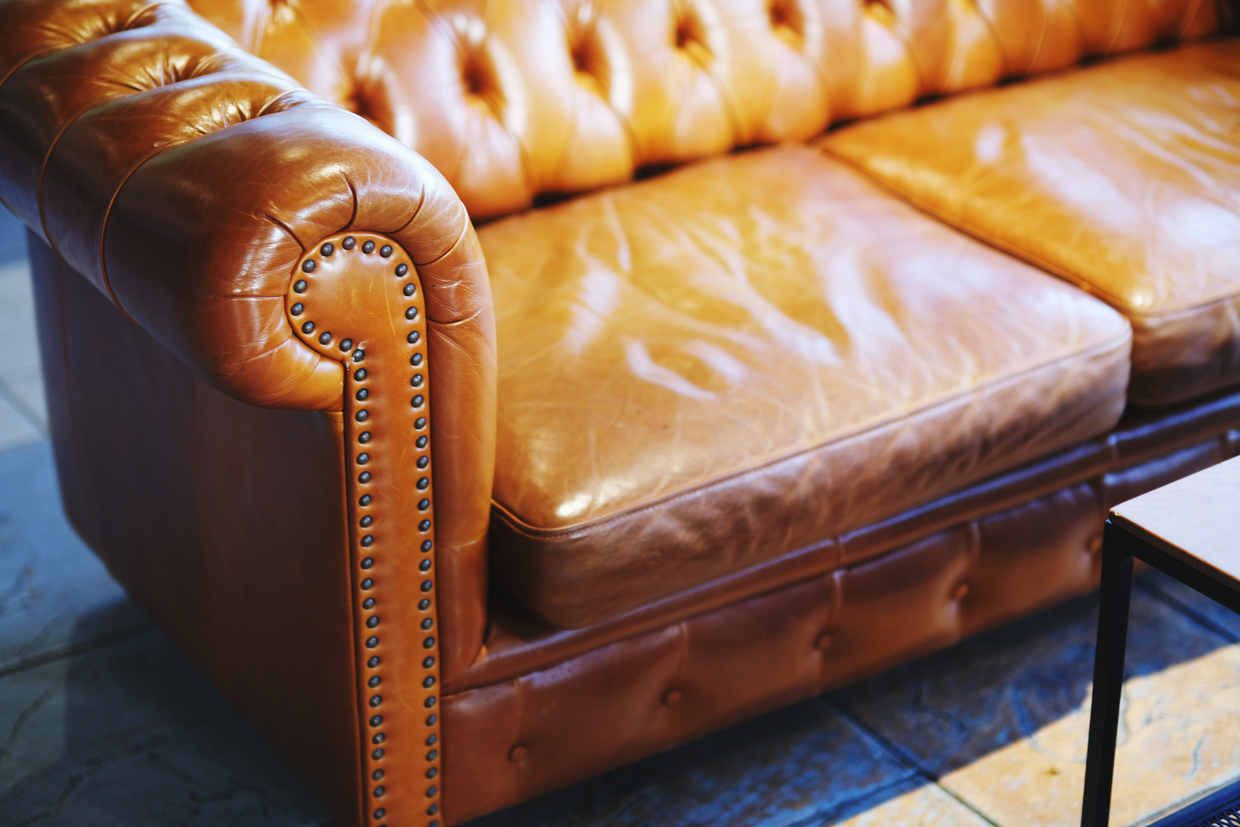
Synthetic fabrics are generally more forgiving, but they aren’t immune to damage from unsuitable products. Leather and faux leather require entirely different care again. Common upholstery cleaning methods can dry out or crack the surface. For guidance specific to leather, our post on leather furniture care mistakes covers the key risks in detail.
If you are unsure what fabric your furniture is made from, it’s safer to treat it as delicate until you know otherwise.
When professional cleaning is the right choice
Some situations are beyond what home cleaning can safely address. Heavy soiling, ingrained odours, large stains and upholstery that has not been cleaned for a long time all benefit from professional attention.
A trained cleaner will assess the fabric type and condition before selecting the appropriate method. This reduces the risk of damage and produces results that home cleaning rarely achieves on heavily soiled furniture. If your upholstery shows signs that professional cleaning is needed, acting sooner rather than later generally leads to a better outcome.
Choosing a trusted professional
Members of the National Carpet Cleaners Association are trained and insured to clean a wide range of upholstery types safely and effectively. They follow a Code of Practice and understand how to protect your furniture throughout the cleaning process.
You can find a trained, insured NCCA cleaner using our directory. Professional upholstery cleaning can help restore the appearance of your furniture and extend its life significantly.