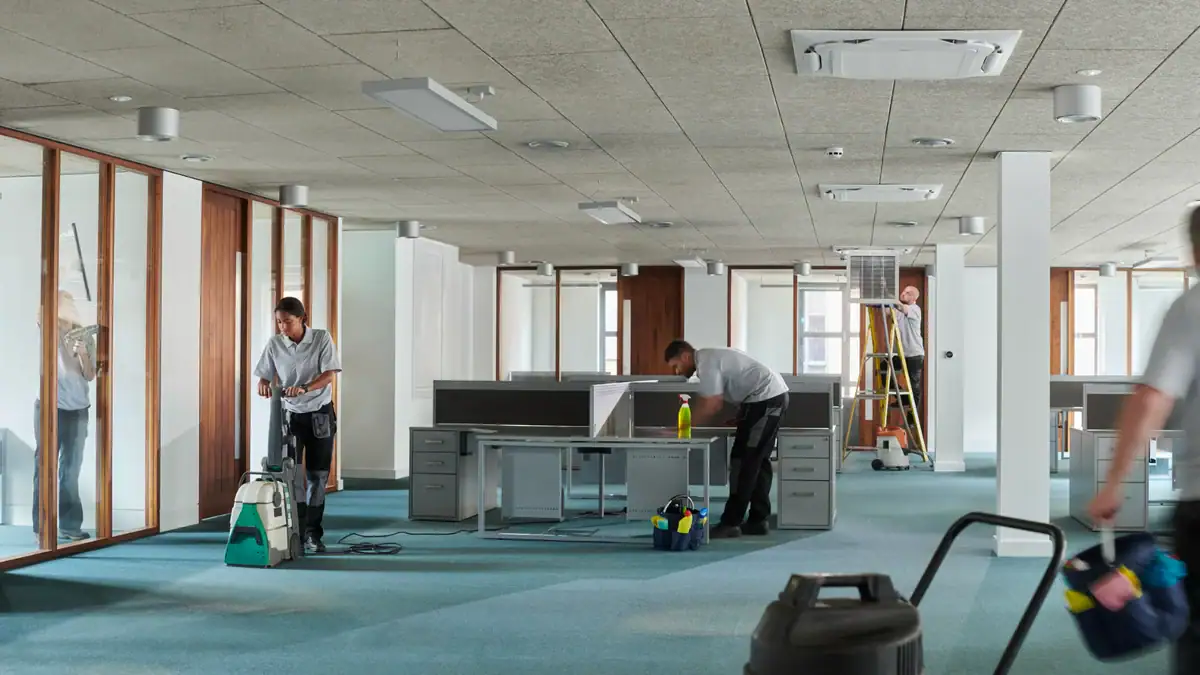
How to Price a Commercial Carpet Cleaning Contract
Commercial carpet cleaning contracts can provide steady, recurring income, but pricing them correctly is more complex than quoting for a single domestic job. Getting it wrong, in either direction, can affect both profitability and client relationships.
This article explains how to price a commercial carpet cleaning contract, covering the factors to assess, the pricing structures available, and what to include in the agreement itself.
Why commercial pricing differs from residential quotes
Domestic quotes are usually based on a single visit and a fairly predictable room size. By contrast, commercial contracts often involve larger areas, recurring visits and multiple stakeholders, from facilities managers to landlords.
Setting competitive prices for residential work is a useful starting point, but commercial pricing also needs to account for:
- Contract length
- Access requirements
- The type of business involved
Assessing the site before you quote
A site visit is essential before pricing any commercial contract. Square footage, carpet type, soiling levels and furniture that needs moving all affect how long the job will take.
Access matters too. Out-of-hours work, restricted parking or multiple floors can all add time and cost that a standard per-room quote wouldn't capture.
Choosing a pricing structure
Most commercial contracts use one of a few common structures. Per-square-foot pricing works well for larger, uniform spaces such as offices, while per-visit pricing can suit smaller or irregular sites.
Ongoing contracts, priced as a retainer with a set frequency, often offer more predictable income for your business and more predictable costs for the client. Scaling a cleaning business can depend on securing a reliable base of retainer clients like this.
What to include in the agreement
A written agreement protects both parties and should be finalised before work begins. Service agreements for commercial clients typically need more detail than residential ones, covering frequency, scope, access arrangements and payment terms.
Clear terms around invoicing and payment timelines matter more for larger contracts. Getting paid promptly can become more complex when multiple invoices or approval stages are involved.
Avoiding common pricing mistakes
Underpricing to win a contract is one of the most common mistakes, particularly for businesses new to commercial work. It can be difficult to renegotiate a price upwards once a contract is signed, so it's worth pricing to reflect the true cost of the work from the outset.
Accurate record-keeping of time spent, materials used and any additional requests helps you price future contracts more accurately, and spot where margins are being lost.
Getting your pricing right
Commercial contracts can be a valuable, steady source of income for a carpet cleaning business, but only when they're priced to reflect the real cost and complexity of the work. Careful site assessment, a clear agreement and realistic margins all help protect that value over the life of the contract.
The National Carpet Cleaners Association provides training, guidance and support to help members price and manage commercial work with confidence. Learn more about NCCA membership and training to strengthen your business as you take on larger contracts.