Autumn Allergens: How Seasonal Changes Impact Indoor Air Quality
You might associate seasonal allergies with warmer months, but many people experience them in autumn. Symptoms can range from mild to seriously disruptive, so it's important not to ignore the signs. Here are a few autumnal allergens to look out for, along with our top tips for managing allergens in your home.
Types of autumn allergens
Mould
As the weather cools and moisture builds up inside your home, mould spores multiply faster. This leads to mould growth, which can cause poor health in everyone, not just people with allergies. If left unchecked, the problem will increase faster and faster. Even outside the home, you may come across mould in woodlands and rotting leaves.
Dust mites
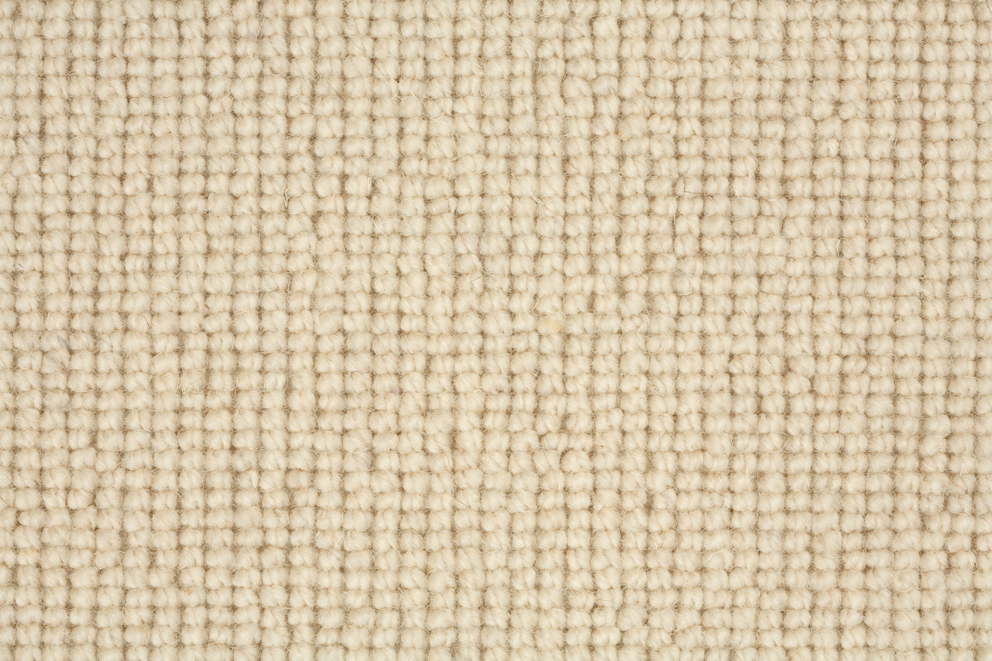
You probably have dust mites living in your home year-round, but they thrive the most in autumn and winter. Many people are allergic to the proteins in their droppings - if someone says they have a dust allergy, they probably mean they are allergic to dust mites. These microscopic creatures consume tiny skin flakes, so they love to live in bedsheets and carpets.
Pollen
We usually associate pollen release with spring, but different plants produce pollen at different stages of the year. Weed pollen is at its highest in the autumn, so people with this kind of hay fever will suffer the most during autumn. Ragweed is the most common pollen to be allergic to in autumn, but nettles, dock weeds and sorrel are among the host of autumn pollen allergens.
Pets
People with pet allergies are allergic to them year-round, but symptoms may be lessened in warmer months by having windows open. As the weather gets colder and households shut windows more, people with allergies are constantly breathing in a cocktail of autumn allergens, including pet dander.
Signs of autumn allergies
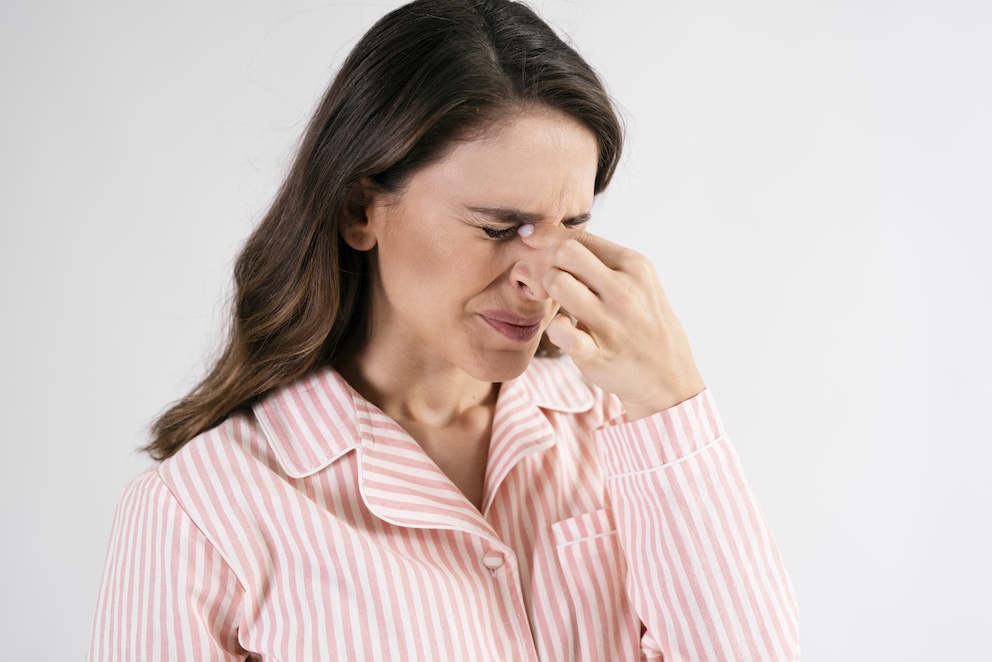
These symptoms can all be consequences of unmanaged seasonal allergies:
- Breathing difficulties and asthma flare-ups
- Skin problems like eczema
- Headaches
- Runny nose and sneezing
- Fatigue
- Itchy or watery eyes
- Postnasal drip
How to combat autumn allergens
These tips will help you minimise the amount of allergens found in your home and prevent a reaction from occurring. For more help managing the symptoms, remember to always consult with a medical professional.
- Hoover regularly - both carpet and upholstery
- Change bedsheets often, and wash them on a warm setting to kill dust mites
- Use allergen-proof soft furnishings
- Dust regularly
- Treat mould promptly
- Use anti-mould paint on problem areas
- Use a dehumidifier or extractor fan to prevent mould
- Ensure that wet clothes and shoes are ventilated while they dry
- Avoid drying clothes outside on high pollen count days
- Hire a professional cleaner
Hire a professional carpet cleaner
Regularly deep cleaning your carpets and upholstery prevents allergens from building up in your home. Breathe easy this autumn and use a National Carpet Cleaners Association (NCCA) accredited cleaner. All of our accredited cleaners meet the highest standards of training, experience and insurance you deserve and can be found in our directory.