How to Repair Carpet: Tips for Mending Burns, Snags & Worn Areas
Repairing carpet is more ecologically and financially sustainable than replacing it. Accidents happen, but a dropped iron or pet scratch shouldn't mean the end for your carpet. Read on to find out how to repair carpet.
Small-scale repairs
For small issues, you can use these quick fixes to make your carpet last longer. If the damage is too big, see the section on patch repairs below.
Snags
Smaller snags can be repaired by cutting off the displaced thread and glueing the area to ensure it doesn't unravel further. With longer snags, you may need to use a darning needle to weave it back into place and then secure it with glue.
Burns and melted carpet
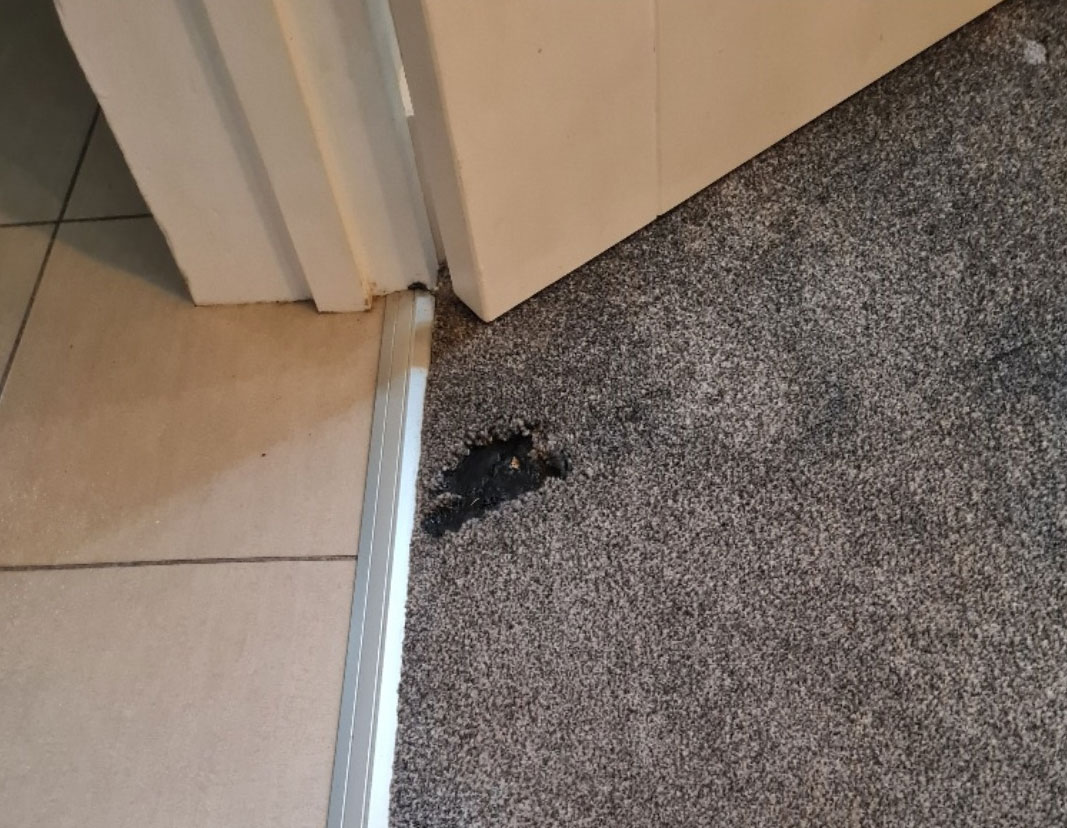
If a small segment of carpet is melted, you can use sandpaper to remove the hardened fibres. For burns, you may be able to use scissors instead.
Tears
To repair small tears, carpet glue or sewing the gap shut are the best methods. Try to match your thread to the carpet colour or use invisible thread to prevent the stitches from standing out.
Patch repairs
A patch repair is the best way to fix damaged carpet. You will need to find an offcut of the carpet or buy a small segment. If your carpet has been discontinued, your best bet may be to take a patch from a hidden area under furniture or inside a closet. This carpet can be replaced with the next best match and will be less noticeable as it is less visible.
To begin the patching process, find the edge of your carpet and lift it away from your floor to protect the layer underneath. Use fabric scissors or a utility knife to cut out the affected area. You should then measure the gap you have created, and cut a patch of matching carpet to these exact measurements.
You will need a portion of backing fabric to give you something to attach the new carpet to. This should be cut to at least an inch longer than the gap on every side, giving you plenty of space to secure it to your existing carpet. Once this has been cut, you should glue it to the back of your new patch of carpet.
After the patch has been given plenty of time to dry, you can attach it to the underside of your carpet using the backing fabric. This will also need time to dry before you return your carpet to the correct position.
Using a comb can help you brush the fibres to conceal the edges of your patch. You may notice a slight colour difference if your carpet has been sunbleached or worn over time, but this should gradually decrease.
Hire a professional carpet cleaner
Carpet cleaners are experts in carpet care, and many will help you repair it. Regular professional cleaning can also help you prevent damage. Search the National Carpet Cleaners Association directory to find a carpet cleaner near you, and use the drop-down menu to choose specific tasks you need help with.