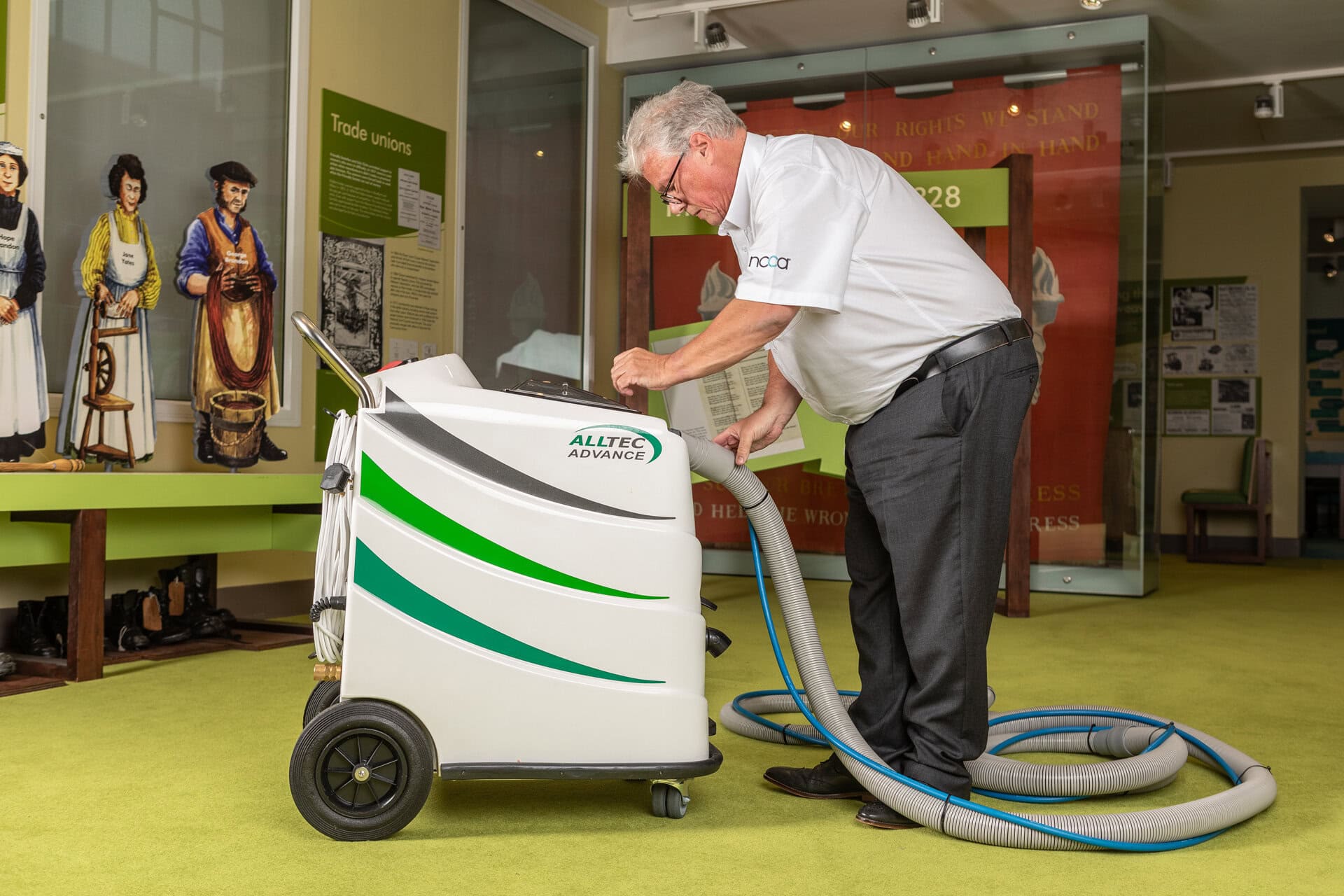
What to Look for When Buying Second-Hand Carpet Cleaning Equipment
Buying second-hand carpet cleaning equipment is a common way for new entrants to the industry to reduce their initial outlay. A good-quality used machine can offer significant savings compared to new. But the risks of buying poorly are equally significant, and a machine that looks functional could have problems that only become apparent in use.
This article outlines the key checks to carry out before purchasing second-hand equipment, and the questions worth asking any seller. For context on what equipment a carpet cleaning business typically needs, see what equipment do you need for a carpet cleaning business.
Know what you’re buying
Before evaluating any specific machine, be clear on what you need it to do. Hot water extraction machines, dry cleaning systems and portable extractors all have different applications, maintenance requirements and resale markets. Buying a machine that doesn’t suit the type of work you intend to carry out is a straightforward way to waste money, regardless of the price paid.
If you’re new to the industry, it’s worth completing your professional training before purchasing equipment, so you understand what you will actually be using on the job.
Check the machine's service and maintenance history
A well-maintained machine is worth considerably more than one that has been neglected, even if the purchase price is similar. Ask the seller for any service records, receipts for parts or maintenance work, and details of how regularly the machine was serviced.
Machines used in high-volume commercial environments might have significantly more wear than their age suggests. Hours of use is a more useful indicator than age alone, where the information is available.
Inspect the key components in person
Always inspect second-hand carpet cleaning equipment in person before committing to a purchase. Request a live demonstration where possible (ideally on an actual carpet rather than a hard floor) so you can assess extraction performance properly.
Key things to check include:
- The condition of hoses and fittings for cracks
- Splits or corrosion
- She vacuum motor for unusual sounds or reduced suction
- The pump pressure gauge for consistent and correct pressure
- The heating element on hot water extraction machines for reliable temperature output
Check all seals and connections for signs of leaking, and inspect the solution tank and recovery tank for cracks, residue build-up or odour.
Ask about the reason for sale
Understanding why a seller is parting with the machine is useful context. Businesses upgrading to newer equipment or downsizing their operation are generally lower-risk sellers than those exiting the industry following problems with the machine itself.
Be cautious of machines being sold without a clear explanation. The same is true for anything offered at a price significantly below market value or listed without any supporting documentation.
Factor in the cost of parts and repairs
Even a machine in good condition at the time of purchase may need parts or repairs at some point. Before buying, check whether replacement parts are still available for the model you’re considering. Older or less common machines can be difficult and expensive to repair if parts have been discontinued. Your insurance arrangements should also be reviewed to confirm that second-hand equipment is covered appropriately.
Consider the full cost of ownership
The purchase price is only part of the calculation. Factor in the cost of any immediate servicing, replacement consumables, hoses or accessories, and transport if the machine needs to be collected. A machine bought cheaply but requiring significant work before it’s usable may end up costing more than a better-condition example at a higher price. When setting your business prices, it’s worth ensuring your equipment costs are properly accounted for, including depreciation.
Where to buy second-hand equipment
Trade-specific forums, industry events and established suppliers who part-exchange equipment are generally more reliable sources than general marketplace listings. Buying from within the carpet cleaning trade gives you a better chance of dealing with someone who understands the equipment and has used it professionally.
NCCA membership brings you into contact with a wider professional network, which can be a practical resource when sourcing equipment or seeking advice. Fellow members may also be a source of equipment when upgrading their own kit.
Growing your business with the NCCA
Making informed equipment decisions from the outset puts your business on a stronger footing. Understanding what to look for, asking the right questions and factoring in the full cost of ownership helps you avoid common pitfalls that affect many new entrants to the industry. If you want to grow your business sustainably, the National Carpet Cleaners Association can help.
We provide training and support to help members build the skills and knowledge to run a professional, profitable cleaning business. Become a member today to take the first step!