How to Clean a Wool Rug at Home: 5 Simple Steps
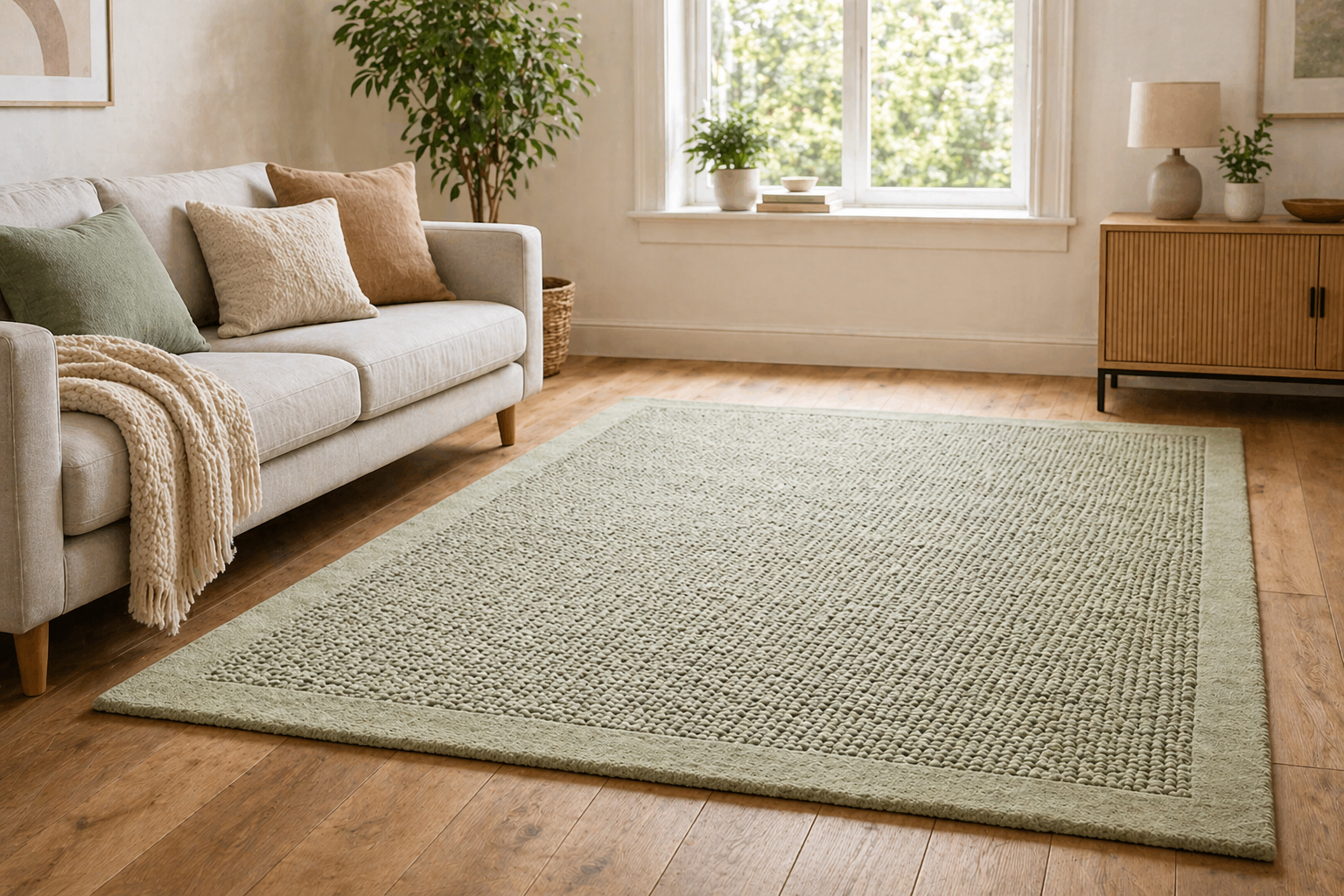
Wool rugs are a popular choice for many homes. They’re warm underfoot, durable when properly cared for, and available in a wide range of styles. However, wool is a natural fibre that requires careful handling. That’s particularly true when it comes to cleaning.
This guide explains how to clean a wool rug at home safely, what to avoid and when professional help is the better option.
What makes wool rugs different
Wool fibres are more sensitive to moisture, heat and harsh chemicals than many synthetic alternatives. Incorrect cleaning can cause several problems that are difficult to reverse:
- Shrinkage
- Colour bleeding
- Distortion
- A stiff, matted texture
Understanding these risks before you start is important. If you’re unsure about your rug's construction, dyes or backing, it’s worth seeking professional advice before attempting any home cleaning.
Synthetic and wool carpets respond very differently to cleaning methods, and the same applies to rugs.
1. Shake and vacuum the rug
Begin by taking the rug outside if possible and giving it a thorough shake to dislodge loose dirt and debris. Allow any dust to settle before bringing it back indoors.
Vacuum both sides of the rug using a low-suction setting. Avoid using a beater bar attachment, as this can damage wool fibres over time. Vacuuming regularly between deeper cleans is one of the most effective ways to extend the life of your rug.
2. Check the care label and test for colourfastness
Before applying any cleaning product, check the manufacturer's care label. This will indicate whether the rug can be wet-cleaned at home or requires professional treatment only.
If wet cleaning is permitted, test for colourfastness first. Dampen a clean white cloth with a small amount of your chosen cleaning solution and press it gently onto an inconspicuous area of the rug. If colour transfers onto the cloth, don’t proceed. It means the dyes aren’t stable and wet cleaning at home risks permanent damage.
Related: The Science Behind Stain Removal: Why DIY Methods Don't Always Work
3. Spot clean stains promptly
For fresh spills, blot the affected area immediately using a clean, dry white cloth. Work from the outer edge of the stain inward to avoid spreading it. Don’t rub, as this can push the stain deeper into the pile and distort the fibres.
Apply a small amount of a wool-safe cleaning solution to the cloth (not directly onto the rug) and continue to blot gently. Then rinse the area with a lightly dampened cloth and blot dry. Avoid soaking the rug, as excess moisture is one of the most common DIY cleaning mistakes
4. Clean the full rug carefully
If the rug requires a more thorough clean, use a small amount of wool-safe detergent diluted in cool water. Work across the rug in sections using a soft brush or cloth, moving gently with the pile rather than against it.
Avoid hot water, which can cause shrinkage. Avoid over-wetting too, as this can lead to backing damage, odours or mould beneath the rug. Once cleaned, remove as much moisture as possible by pressing with dry towels.
5. Dry the rug thoroughly
Drying is one of the most critical stages. A wool rug that’s left damp for too long can develop a musty smell or, in some cases, mould. Lay the rug flat in a well-ventilated area, away from direct heat or sunlight, which can cause fading and fibre damage.
Don’t hang a wet wool rug over a rail or banister either. The weight of the water can distort its shape. Turn it over partway through drying to allow air to circulate on both sides.
Expert help when it's needed
Home cleaning can maintain a wool rug between professional cleans, but it has its limits. Heavily soiled rugs, persistent stains, delicate or antique pieces, and rugs showing signs of wear all benefit from professional rug cleaning rather than home treatment.
Professional wool rug cleaning can help restore your rug's appearance and extend its lifespan significantly. A trained professional will assess the rug's construction, fibre type and soiling before selecting the most appropriate cleaning method. This reduces the risk of damage and helps preserve the rug's appearance and value. To make things even easier, you can find a trained, insured cleaner in the NCCA directory.