Cleaning Wool Carpets: Do’s and Don’ts
Wool carpets are a common feature in UK homes. They are comfortable, durable and naturally insulating. However, wool is also a sensitive natural fibre, and incorrect cleaning can cause permanent damage.
Understanding the basic do’s and don’ts helps protect your carpet and avoid costly mistakes.
Why wool carpets need special care
Wool behaves differently from synthetic fibres. It absorbs moisture easily, reacts to heat and can be damaged by unsuitable cleaning products. Once wool fibres are harmed through shrinkage, colour loss or distortion, the damage is often irreversible. This is why care and restraint are essential when cleaning.
Do vacuum regularly
Frequent vacuuming is the safest and most effective way to maintain a wool carpet. It removes dry soil that would otherwise grind into the fibres and cause wear.
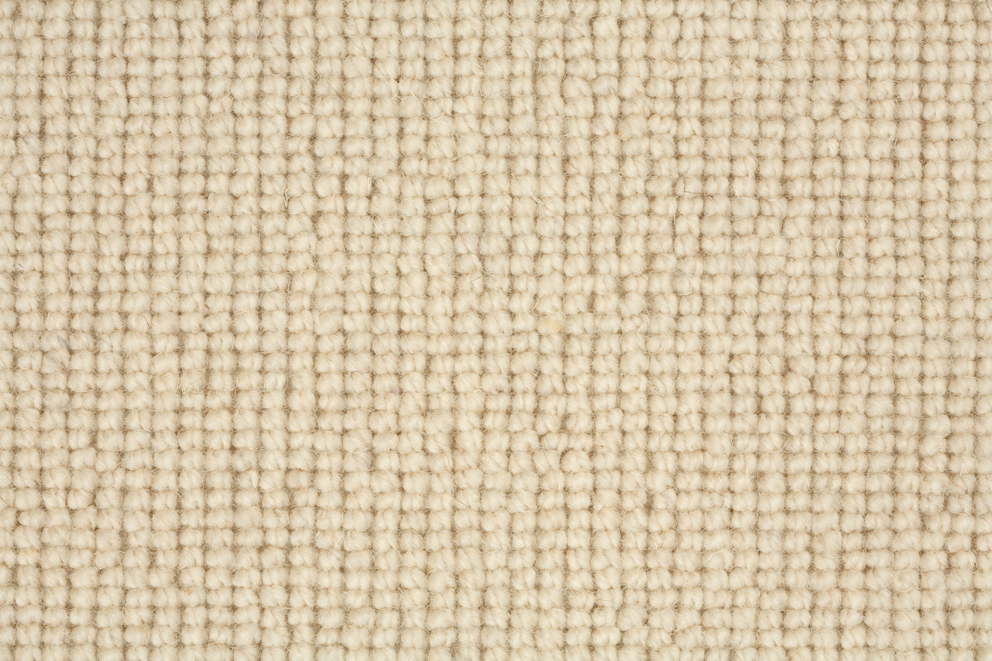
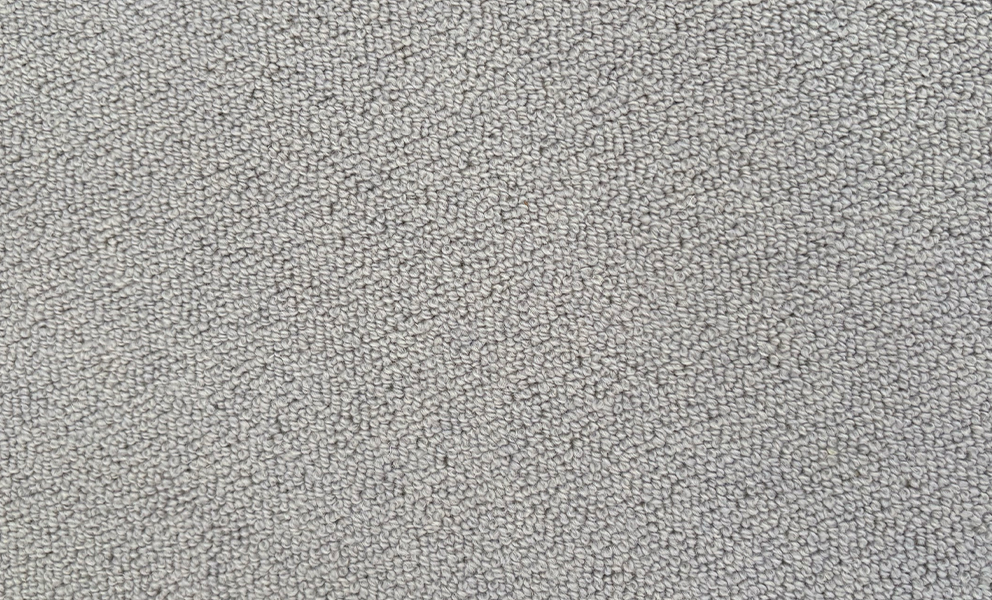
Use a vacuum designed for carpets, with adjustable suction if possible. Gentle, regular vacuuming is far better than aggressive or infrequent cleaning. Take extra care with loop pile wool carpets, which can be damaged by rotating brushes.
Don’t over-wet the carpet
Excess moisture is one of the most common causes of wool carpet damage. Wool readily absorbs water, and over-wetting can lead to shrinkage, rippling, long drying times and unpleasant odours.
Household carpet cleaning machines can easily apply too much water, especially when used without proper knowledge. Avoid soaking the carpet and never pour water directly onto it.
Do deal with spills promptly
Spills should be attended to as soon as they happen. Blot gently using clean, absorbent material to prevent the liquid spreading further into the fibres.
Rubbing should be avoided, as this can distort the pile and push the spill deeper. If a mark does not improve quickly, it is best to stop rather than continue applying moisture or pressure.
Don’t use harsh or unknown products
Many household cleaners are unsuitable for wool carpets. Strong detergents, bleach and highly alkaline products can strip the natural oils from the fibre, leading to fading, brittleness or texture changes.
Even products sold as carpet cleaners may not be safe for wool. Using untested solutions increases the risk of permanent discolouration or damage.
Do reduce wear through prevention
Simple preventative steps reduce the need for intensive cleaning. Door mats help limit grit and dirt, while moving furniture occasionally prevents permanent indentations.
Protecting wool carpets from prolonged sunlight also helps reduce fading and uneven colour change over time.
Don’t attempt deep cleaning without advice
Deep cleaning wool carpets requires an understanding of fibre behaviour, moisture control and safe cleaning methods. Incorrect DIY deep cleaning is a common cause of damage, including shrinkage, watermarking and pile distortion.
If a carpet is heavily soiled, stained or affected by odours, professional assessment is the safest option.
When to use a professional cleaner
Large spills, stubborn stains, pet accidents and general heavy soiling are all situations where professional help is recommended. Trained cleaners assess the carpet type, condition and construction before choosing an appropriate cleaning approach.
Members of the National Carpet Cleaners Association are trained, insured and work to a recognised Code of Practice. This protects your carpet and your home, and reduces the risk of costly errors.
Protecting your investment
Wool carpets represent a significant investment. Avoiding excessive moisture, harsh products and unsuitable DIY methods helps extend their life and maintain their appearance.
If you are unsure how to clean your wool carpet safely, it is always better to seek professional advice. You can find a trained, insured NCCA carpet cleaner using the association’s directory, ensuring your carpet receives the care it needs.