
End of Tenancy Carpet Cleaning: A Tenant’s Checklist to Get Your Deposit Back
At the end of a tenancy, carpets are one of the most common causes of deposit disputes. They show wear easily and can hold dirt, stains and odours that are not always obvious during day to day living. Understanding what is expected and how to avoid common mistakes can help you meet your responsibilities and protect your deposit.
This checklist explains what tenants should consider when dealing with carpets before moving out.
Check your tenancy agreement
Start by reviewing your tenancy agreement. Many agreements include clauses relating to carpet condition or professional cleaning at the end of the tenancy. While landlords cannot demand unnecessary services, they can reasonably expect carpets to be returned in a clean condition, allowing for fair wear and tear.
Knowing what you agreed to helps avoid misunderstandings later.
Understand fair wear and tear
Carpets naturally deteriorate over time. Light traffic marks, gradual fading and minor flattening are usually considered fair wear and tear, especially in longer tenancies.
However, heavy staining, spills, burns, strong odours or excessive soiling are not. These issues are more likely to be flagged during the check-out inspection and could affect your deposit.
Inspect carpets room by room
Before moving out, take time to inspect every carpeted area. Look for visible stains, darkened walkways, pet hair and lingering smells. Areas near doors, sofas and beds often show the most wear.
Early inspection gives you time to decide whether professional cleaning is needed rather than leaving it until the last moment.
Avoid risky DIY cleaning
DIY carpet cleaning attempts are a common cause of problems at end of tenancy. Over-wetting, incorrect products or aggressive scrubbing can cause shrinkage, colour loss or watermarking. These issues may be worse than the original soiling and can lead to deductions.
Household carpet machines are also easy to misuse and often leave carpets too wet, increasing the risk of odours or mould.
Deal with spills and stains properly
If there are specific stains, avoid experimenting with home remedies. Some substances can permanently set stains or bleach the carpet fibres.
If a stain does not improve quickly with gentle blotting, it is safer to stop and seek professional advice rather than risk making the damage worse.
Consider professional carpet cleaning
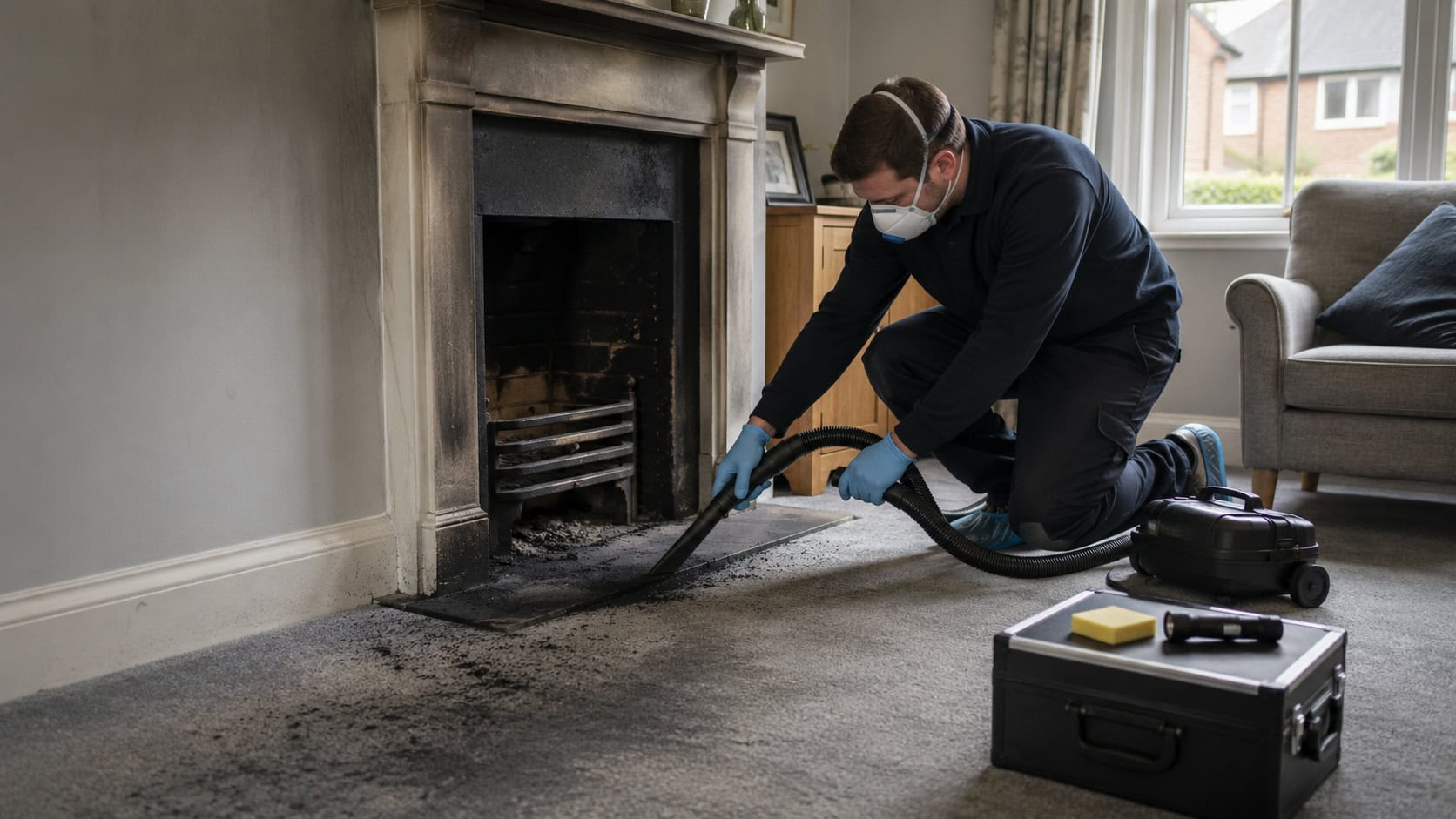
Professional carpet cleaning is often the safest way to achieve an acceptable standard at the end of a tenancy. A trained cleaner can assess the carpet type, level of soiling and any existing damage before cleaning.
Professional cleaning is particularly advisable for heavily used carpets, pet-related issues or noticeable odours. It also provides reassurance that the work has been carried out properly.
Keep evidence of cleaning
Whether you clean the carpet yourself or use a professional, keep records. Receipts, invoices or written confirmation can be helpful if there is a dispute later.
Photos taken after cleaning, once carpets are dry, can also support your position if questions arise during deposit negotiations.
Time the cleaning correctly
Carpet cleaning should be one of the final tasks before you hand back the keys. Cleaning too early increases the risk of re-soiling during the move-out process.
Ensure carpets have enough time to dry properly before the check-out inspection, as damp carpets can raise concerns even if they are clean.
Choose a reliable professional
If you use a professional service, choosing a reputable cleaner matters. Members of the National Carpet Cleaners Association are trained, insured and work to a recognised Code of Practice. This reduces the risk of damage and provides confidence that carpets are cleaned safely and appropriately.
Protecting your deposit
End of tenancy carpet issues are often avoidable. Understanding fair wear and tear, avoiding risky DIY methods and using professional help when needed all improve your chances of a smooth check-out.
If you want added reassurance, you can find a trained, insured NCCA carpet cleaner using the association’s directory. Professional carpet cleaning can help ensure carpets meet expected standards and reduce the risk of deposit disputes.